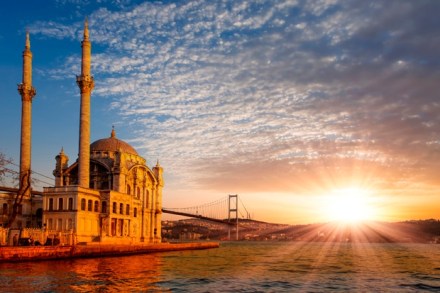
Istanbul

The secret to exploring Istanbul

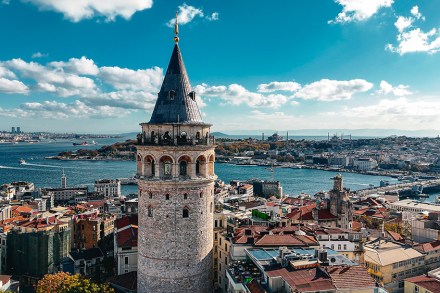
Two weeks before Covid began to hit Europe, I stood in the Basilica Cistern beneath Istanbul, steadily getting dripped on. Built during the reign of the Emperor Justinian I in 532, just before another deadly pandemic — the plague of Justinian — the cistern lies beneath Istanbul’s tourist hotspot, and despite it being damp, dark and having stands of 007 merchandise at its entrance and exit, it is one of the most enchanting places in a city that has captivated its visitors for over a thousand years. "If the Earth were a single state," Napoleon once pronounced, "Istanbul would be its capital," and upon visiting you begin to understand why.

istanbul

Walking to Byzantium

I decided to walk from Athens to Byzantium — Constantinople, the medieval Queen of Cities, lately Istanbul. I had a little red tent and a vision of noble penury that evoked the ghosts of Cyriaco of Ancona (d. 1452) and Paddy Leigh Fermor (d. 2011). My girlfriend said she'd join me later. The lines that now smudge my map look more like the flight of a woozy bluebottle than the traces of a man with a plan. My earliest memories of the trek are melancholy.

Byzantium

The sunset of secular Turkey

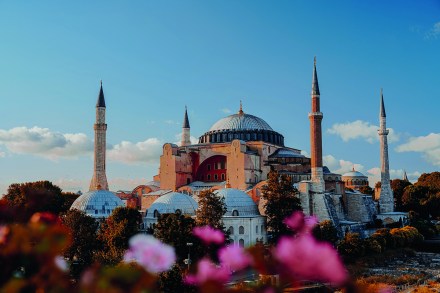
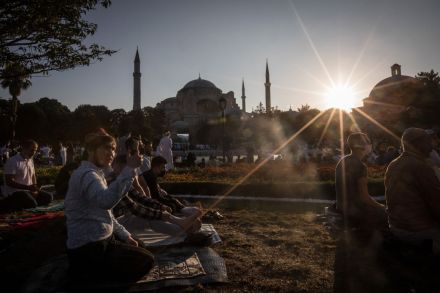
Christians around the world have been outraged by Turkey’s decision to convert the Hagia Sophia cathedral into a mosque. This astonishing architectural masterpiece was completed in 537 and is considered one of the Orthodox church’s holy sites. (The cathedral was, for 57 years after the crusades, a Roman Catholic church.) With the Ottoman conquest of Constantinople in 1453, minarets were added, and it was converted into a mosque. In 1934, the secular leader of Turkey attempted to end the religious division over the building and turned it into a museum.The reader should notice that I place the responsibility for Hagia Sophia’s conversion on the nation of Turkey, not on President Erdogan.

turkey