Islands

Bimini the beautiful

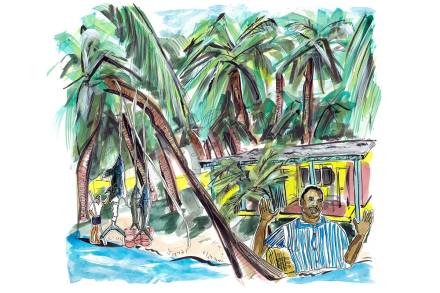
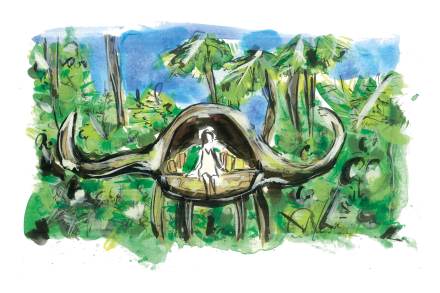
Give me a golf cart on an obscure small island and I am ecstatic. That’s how I felt on Christmas Eve rumbling around North Bimini, one of thirty inhabited islands in the Bahamas, with my wife and teenage sons on a balmy day full of benign clouds and serendipitous discoveries. I’m a traveler who is blessed and cursed with hyper-curiosity. Places with too much to see frustrate me because no matter how long I stay, I’m inevitably nagged by a sense that I missed something. I love cruises but port days are a particular tease because you’re always racing against the clock to get back to the ship. So for me, Bimini, with zero stop lights, no fast food and nearly as many golf carts as its 2,000 inhabitants is almost perfect.
bimini

The mysterious appeal of the Maldives

The world’s obsession with the Maldives has always been a mystery to me. I’ve witnessed as, one after the other, even my most beach-averse and device-addicted friends returned from these islands entranced by some ineffable quality, only able to give the vaguely cult-like response: “You have to experience it to understand.” One quietly admitted to spending more on her honeymoon there than on the wedding itself. Apparently, it had been entirely worth it. Having worked in travel for many years, I’ve been inundated with the pictures we’ve all seen a thousand times: lines of pristine over-water villas, tranquil turquoise ocean contrasting with startlingly white sand, all running together in a blur of gorgeous, but dare I say it, borderline sameness.

Maldives

Set in a silver sea: the glory of Britain’s islands

From our UK edition

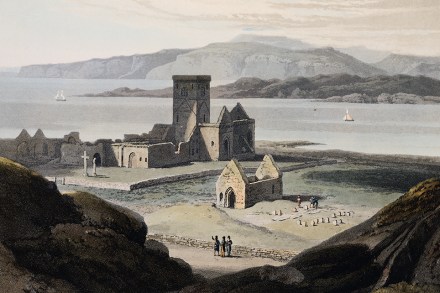
Islands always intrigue, hovering on the horizons of our imaginations – seen, according to your lights, as territories to be taken, ancient redoubts, repositories of secrets, even loci of lands of youth. Where there are no islands, we often imagine them – Plato’s Atlantis, the Celts’ Avalon, the Irish Hy-Brasil, Zeno’s Friseland, Columbus’s Antillia – and occasionally find them, like Terra Australis Incognita, postulated long before Europeans made landfall. Orkney was a trading station long before London, and Iona was the epicentre of Celtic Christianity Britain was once itself an imagined island – or rather islands plurally, called by Pliny Britanniae, one archipelago among others in the great geographer’s speculative world atlas.