Intellectual property

How long has Hollywood been out of ideas?

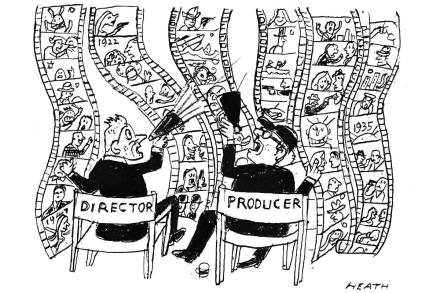
Marie-Georges-Jean Méliès made more than 500 films in his career, but 1896 was a banner year for the Frenchman. He captivated audiences with Playing Cards, his sixty-seven-second exploration of three cigar-puffing men as they are waited on by two young ladies. One man reads the paper and pours the wine as the other two play cards. It was the first reboot in film history. One year earlier, Louis Lumière released Card Game, a forty-three-second exploration of three men with cigars drinking wine and playing cards as they are waited on by a man. Méliès rightly recognized the original’s lack of representation, not to mention the absence of a news- paper.

Hollywood
letters

Letters from Spectator readers, August 2024

Can the GOP do normal? I switched from Dem to Rep in 2014 after the disasters of the Obama presidency and the Dems’ loony hatred of the West and the US became clear. Since then I’ve not voted for the Rep nominee for president once, although I have voted for Reps down the ballot and have written in a Rep for president each cycle. I’m looking forward to the day when the GOP’s weird swooning over the orange one is over. - Thomas Nienow ‘Justice’ and the fall of a republic Great article and I hope you’re wrong.

Explaining China’s IP problem

Since man’s early origins, the desire to possess gold has been a universal obsession. Gold was once viewed as the ultimate symbol of power and wealth. Governments amassed vast quantities of gold to finance their economies and political ambitions. Until the mid-twentieth century, leading national currencies were directly tied to how much physical gold was housed in national treasuries. But 500 years ago, Sir Thomas More got it right when he described gold as something “which in itself is so useless.” Today, rather than gold, what truly represents a nation’s strength is its ability to innovate and control technologies.

xi jinping wang huning wargame militarizing IP china