Infrastructure Bill

Trump is still king in West Virginia

Bipartisanship is a word used too frequently, and seldom ever found in the swamps of Washington, DC. On Tuesday, Congressman David B. McKinley, Republican from West Virginia's former First District, named “one of the most bipartisan members of Congress,” battled Congressman Alex Mooney, representative of the former Second District. The two were competing to represent West Virginia’s newest congressional district, which stretches from Jefferson to Mason counties. The latest congressional map came as a result of 2020 census data that revealed a loss of population in the Mountain State. It was Alex Mooney who scored the win and secured the Republican nomination. Though that wasn't shocking for political aficionados who recently watched Hillbilly Elegy author J.D.

Infrastructure Republicans aren’t ‘traitors’

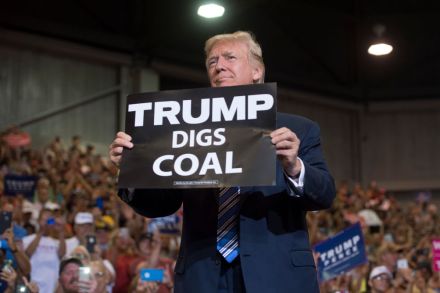
Are you a Republican — or did you vote for the infrastructure bill? That’s the binary choice offered to House GOP members by the right-wing of the party. The thirteen representatives who voted to pass the landmark legislation find themselves in the sights of not just their fellow members of Congress, like Marjorie Taylor Greene and Madison Cawthorn, but also former president Donald Trump, whose list of primary targets grows longer by the day. In a Saturday email, Trump called for “good and SMART America First Republican Patriots to run primary campaigns” against both the members who’d voted for the infrastructure bill and the members who had voted to impeach him for causing the January 6 storming of the Capitol. “You will have my backing!” he asserted.

infrastructure traitors

Biden and Pelosi score late-night infrastructure win

For months, Democratic negotiations over Joe Biden’s twin spending bills were stuck in a cycle of infighting that felt it would never end: the unstoppable force of progressive overexcitement up against the immovable object of moderate resistance. That deadlock was finally broken late on Friday night, when the House passed an infrastructure bill worth $550 billion in new spending. The breakthrough came after a head-spinning day on the Hill (a day that progressive congressman Mark Pocan described as a “clusterfuck”).

infrastructure

The sleepwalkers

It is customary for presidencies to lose vitality and purpose in their last months. It is unprecedented for a presidency to lose its way in its first year, and when it still holds a majority in both houses of Congress. The Biden presidency has donned Jimmy Carter’s cardigan of shame in only nine months. If, that is, it ever was the Biden presidency. It was sold from the get-go as the ‘Biden-Harris presidency’. Double-barreled names are an inveterate mark of snobbery, and in this case the snobbery is that of the higher tokenism. Even the Democrats’ own members didn’t want Harris on the card in 2020. Harris’s symbolic merits as a woman of color seem to have been outweighed by her blatant falsity and opportunism.

biden

Blame Biden for the sinking infrastructure bill

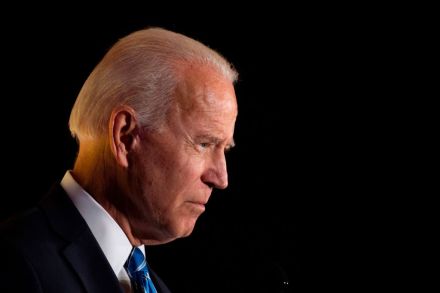
President Joe Biden, facing a crisis on the southern border, a Taliban takeover in Afghanistan, and a breakdown of relations with foreign allies, desperately needs a win on his domestic agenda. It looks increasingly unlikely, however, that the ambitious spending bills he wants passed will ever make it to his desk. The usually unified Democratic party is so fractured over the $1 trillion bipartisan infrastructure bill and the $3.5 trillion reconciliation package that it appears Speaker Nancy Pelosi no longer has the votes to pass either. Biden is primarily to blame for negotiations going this way. He said back in June that he would not sign the infrastructure bill without the reconciliation bill, describing the bills as being in 'tandem’.

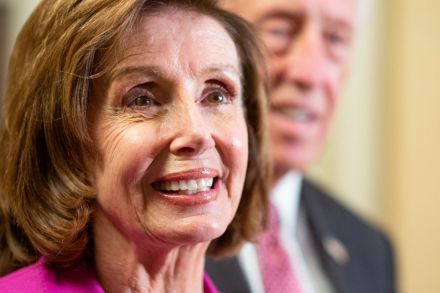
bill Speaker of the House Nancy Pelosi (D-CA) (Photo by Chip Somodevilla/Getty Images)