Influenza

The Covid hysterics’ bleak midwinter

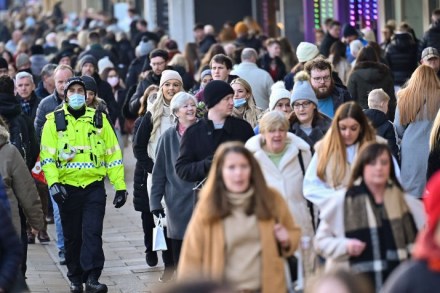
A great scourge has descended upon the land, leaving in its wake a path of misery and girlfriends shivering under blankets. Crops have been destroyed, and there are times when (after 5 p.m.) it can seem like we might never see the sun again. Yet the greatest terror ushered in by this darkness is its plague, a relentless onslaught of mild coughs and sniffly noses that seems to have left just about everyone feeling marginally annoyed. The ancients had a word for it, winter, and it's eliciting trembles of horror from the Cassandras over at the New York Times. New Yorkers, the Times recently croaked, "are living not just among the coronavirus and its seemingly endless variants, but a bunch of other viruses too." This "bunch" includes such baffling ailments as the common cold and the flu.
covid

The zero COVID delusion

During World War Two, ordinary citizens were encouraged to plant victory gardens, collect scrap metal and carpool to save fuel, always with the understanding that these measures would somehow contribute to victory. The propaganda of the time was heavy on the same ‘do your part’ messaging that we've seen during the COVID pandemic, giving meaning to people's sacrifices by characterizing their efforts as a patriotic duty and a moral imperative — and by strongly implying that those who balked at those sacrifices were on the side of the bad guy. One of the most famous posters from the era shows a snappily-dressed man behind the wheel of a car, with a ghostly, familiar figure sporting a toothbrush mustache in the passenger seat.

covid

How to work out the real COVID death toll

Maybe the most important questions of all: how lethal is SARS-COV-2? Whom does it kill? Are the death counts accurate — and, if not, are they over- or understated? Estimates for the lethality of the coronavirus have varied widely since January. Early Chinese data suggested the virus might have an ‘infection fatality rate’ as high as 1.4-2 percent. A death rate in that range could mean the coronavirus might kill more than six million Americans, although even under the worst-case scenarios some people would not be exposed, and others might have natural immunity that would prevent them from being infected at all. As we have learned more about the virus, estimates of its lethality have fallen.

covid