Industrial Revolution

Ambition is in America’s DNA

Rome Last month, I found myself sitting on a panel discussing the European Union’s digital asset strategy. The conversation revolved around the digital euro, tokenization, stablecoins, financial regulation and the future of capital markets. Outside the conference hall stood one of the great cities of human civilization. Rome encourages long thoughts. Every stone seems to remind visitors that history is not a straight line. Great nations rise, stagnate and sometimes disappear altogether. Walking through Rome after the conference, I started thinking less about digital currencies and more about something else entirely. America turns 250 this year. For any nation, two and a half centuries is a respectable run. For a republic, it is extraordinary.

Industry tragedy, Trump vs the Pope & the depressing reality of sex parties

From our UK edition

42 min listen

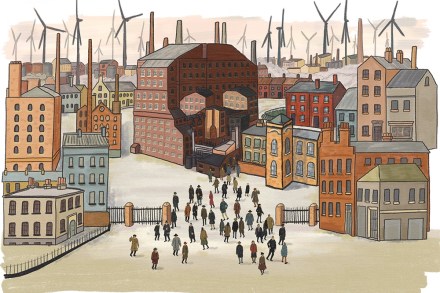
This week: the death of British industryIn the cover piece for the magazine, Matthew Lynn argues that Britain is in danger of entering a ‘zero-industrial society’. The country that gave the world the Industrial Revolution has presided over a steep decline in British manufacturing. He argues there are serious consequences: foreign ownership, poorer societies, a lack of innovation, and even national security concerns. Why has this happened? Who is to blame? And could Labour turn it around? Matthew joined the podcast, alongside the head of the Trades Union Congress (TUC), Paul Nowak. (1:05) Next: the Pope takes on President TrumpThe Pope has nominated Cardinal Robert McElroy to be the new Archbishop of Washington.

The beauty of pollution

From our UK edition

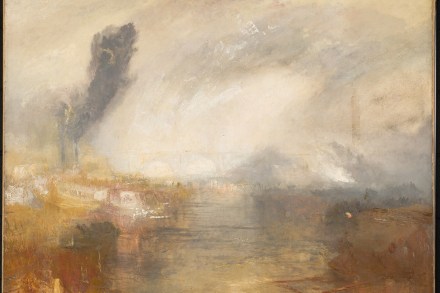
On the back of the British £20 note, J.M.W. Turner appears against the backdrop of his most iconic image. Voted the country’s favourite painting in 2005, ‘The Fighting Temeraire’ (1838) was Turner’s favourite too. It remained in his possession until his death; the 70-year-old artist swore in a letter of 1845 that ‘no consideration of money or favour can induce me to lend my Darling again’. But I suspect he would have approved of his darling’s current loan, along with that letter, to the Laing Art Gallery in Newcastle as part of the National Gallery’s bicentenary programme of loans of national treasures to regional museums.

All work and no play is dulling our senses

From our UK edition

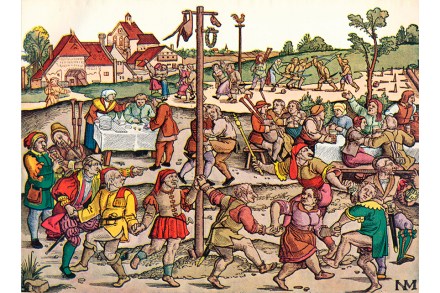
Free Time is an academic journey through two-and-half millennia of leisure options. The central question put by the historian Gary Cross, is: why do we not have more free time, and when we do, why do we waste it, like Sir Andrew Aguecheek in Twelfth Night, on ‘fencing, dancing and bear-baiting’ or their modern equivalents? We start with ancient Greek philosophers, including Socrates and Aristotle, who reckoned that life was all about free time. We should work to fulfil our basic needs and then use our leisure for scholé (self-improvement): for culture and reflection. The vita contemplativa was superior to the vita activa (though Socrates was also fond of a boogie – a fact Cross does not mention). People spent their free time at festivals and religious rituals.