Hubert parry

Music to some ears: how 20th-century classical music led to pop

From our UK edition

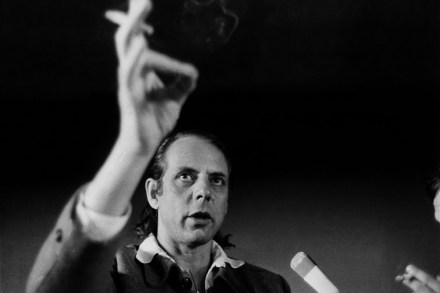
It was Sir Hubert Parry who in 1899 complained about ‘an enemy at the doors of [real] music… namely the common popular songs of the day’, ten years before he put a William Blake poem to music and came up with the most famous classical/pop fusion of all time, ‘Jerusalem’, which even featured on a mid-1970s number-one album by ELP. I did assume that a book subtitled How 20th-Century Classical Music Shaped Pop would reference such synergies. It does not. Elizabeth Alker’s is instead a competently written, entertaining if scattershot history of avant-garde electronic music, but presented as if some musical chasm separates John Cage from Sonic Youth. In fact one can easily draw a line between the two.
The coronation music was – mostly – a triumph

From our UK edition

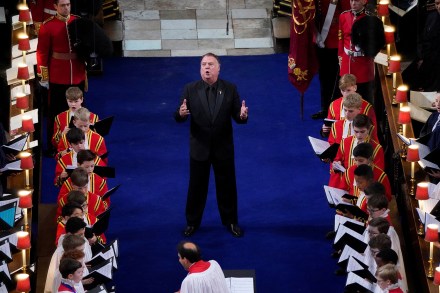
Sir Hubert Parry was upgraded from knight bachelor to baronet by King Edward VII in 1902, and my goodness he earned it. His anthem for Edward’s coronation, I was Glad when they Said Unto Me, begins with a thrilling brass fanfare – or it has done since George V’s coronation in 1911: Parry’s original introit wasn’t sufficiently attention-grabbing, so he beefed it up. But the most spine-tingling moment has been there from the beginning. ‘I was…’ sings the choir on the tonic chord of B flat major – and then the word ‘glad’ bursts out where we aren’t expecting it, in G major.

Affectionate and unthreatening, just like usual: Last Night of the Proms reviewed

From our UK edition

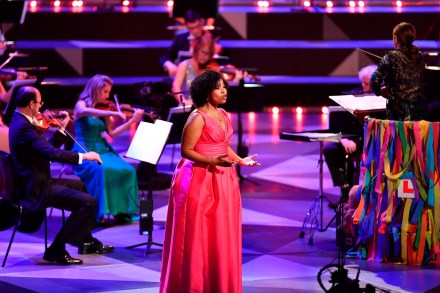
The Last Night of the Proms came and went, and it was pretty much as anyone might have predicted, if they’d given it a moment’s thought. A sprinkling of popular classics, a pair of unthreatening premières, the familiar landmarks tastefully and affectionately done, and some show tunes and arias, sung by the soprano Golda Schultz with a generosity and warmth that couldn’t have been more potent if she really had been singing to a packed and cheering Royal Albert Hall, rather than TV cameras and emptiness. It was recognisably a Last Night of the Proms: celebratory in that slipper-wearing BBC way, without ignoring the unavoidable truth that you can’t have audience participation without an audience. And after all that fuss, too.