Holland

The dark finale of the second world war

From our UK edition

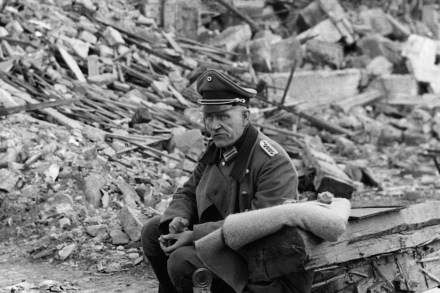
When presented with yet another second world war doorstopper by Max Hastings, a reader should be forgiven for wondering what on earth the author can possibly add, given the many titles on the conflict already to his name. The question has, of course, also occurred to Hastings himself, and his answer is refreshingly honest. Plunder, he acknowledges, is essentially a mopping up operation, a chance to scoop up some tasty morsels missed the first time around: memories, insights and incidents that have nagged away at him since Armageddon, his account of the last months of fighting in western Europe, published more than 20 years ago. The result is a kaleidoscopic book which oscillates from the vast, strategic canvas to individual acts of treachery and heroism.
Why is Frans Hals still not considered the equal of Rembrandt?

From our UK edition

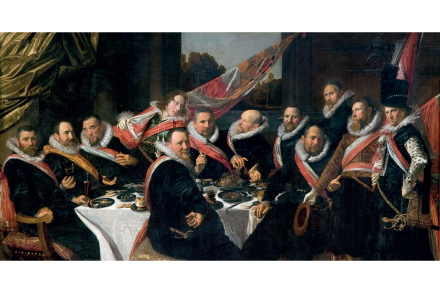
Who was Frans Hals? We know very little about him. He was baptised in either 1582 or 1583 in Antwerp. He died in 1666 at the age of 83 or 84. Approximately 220 works survive. One discredited narrative claimed Hals was a drunk – an inference probably based on his subject matter. There are several depictions of drinkers. On the other hand, there is his evident industry. Two streets in Haarlem, where he lived his entire life, have been identified, but not the actual houses. He was buried in St Bavo’s church in the Grote Markt, which was originally Catholic but became Protestant. There are two commemorative slabs next to each other in the chancel floor competing for authenticity. Which is appropriate, because there are two Frans Hals – the traditionalist and the innovator. They co-exist.

Grimy, echt and gripping: Netflix’s The Forgotten Battle reviewed

From our UK edition

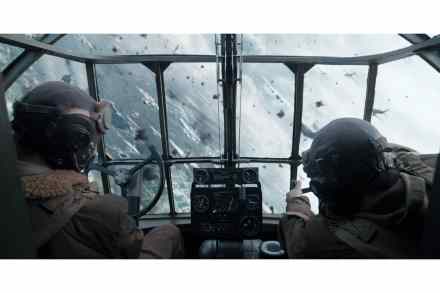
The Forgotten Battle is a Dutch feature film commemorating the desperate and relatively little-known Allied assault on the Scheldt estuary in October and November 1944. When I went to the battlefield decades later with veterans of 47 RM Commando, they told me it was worse than D-Day because the Germans knew they were coming and had prepared stronger defences. Nearly 13,000 Allied soldiers were killed or wounded (about the same as the German casualties), half of them Canadians. It has been a long time since I watched a half-decent second world war movie, mostly because they hardly bother making them any more.