High society

Is Grey Gardens the greatest documentary ever made?

From our UK edition

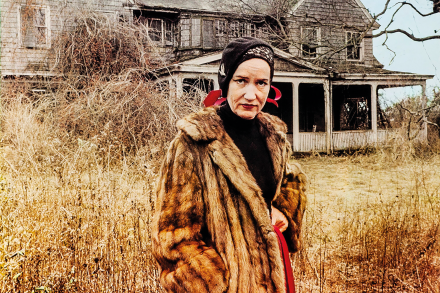
A middle-aged woman wearing what looks like Princess Diana’s infamous ‘revenge dress’ and a balaclava from an IRA funeral approaches the hole in the floor. The raccoon that lives there, clearly used to her presence, looks up expectantly. Sure enough, the woman empties a bag of dry food into the hole. The scene is framed by the intricate fluted wainscotting of the room’s door frame. I am not exaggerating when I say I believe it to be one of the great scenes of modern cinema. The vignette comes from Grey Gardens, the Maysles brothers’ cult documentary, which turns 50 this autumn. Like many great documentaries – from Tiger King to  The Imposter to The Queen of Versailles – the film’s purpose changed over the course of filming.
The urban elite thinks they’re a victim class

I’m Facebook friends with a woman who has been in Democratic Party politics since we attended high school together. Since then, she’s worked for power politicians, (unsuccessfully) run for office, and played a central role in the public takedown of an elected official. She has a degree from an Ivy League institution, as does her husband, who works in finance. Hers is the quintessential lifestyle of the urban elites. And boy, do I mean elite. There are vacations to Italy and the UK, foodstagramming at prominent eateries and bars in major cities, shows on Broadway, and weekend excursions to country estates. There’s the constant churn of attendance at upper-crust city events at beautiful historic locations. And that’s just since the economy started tanking earlier this year.

An elegy on the end of elegance

From our UK edition

Gstaad During these dark, endless periods of lockdown, let’s take a trip down memory lane to a time when we still had real high life: parties galore, carefree girls in their summer dresses, and drunken dawns playing polo in dinner jackets. Life forms began to move properly about 500 million years ago, but I will take you back only 50 or so years, when chic creatures moved to the beat of the samba, the tango, the waltz and the cha-cha-cha. The Roaring Twenties roared because of the Great War’s privations, and the fabled, fabulous Fifties were a reaction to the second world war. People ached to have a good time — to splurge, to let go. Hunger and post-war austerity had turned even Paris into a gloomy, cold place.