Ham

The case for barbecuing ham

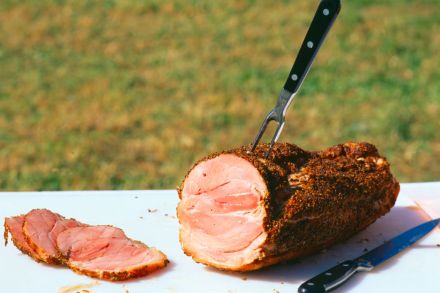
Easter is fast approaching, so of course I’m thinking about ham. This iconic centerpiece of the Easter dinner table isn’t usually associated with the barbecue pit – at least not anymore – but it’s time that changed. Ham and barbecue have had a long and somewhat rocky relationship. Both have smoky roots in the early American colonies – especially Virginia – but they originated separately. Europeans had a long tradition of salting and air-curing hams, but that method proved insufficient for preserving pork in the hot, humid climate of the New World. The Virginia colonists started rubbing their hams with brown sugar and salt and hanging them for weeks in smokehouses instead of out in the open air.
48 hours of food in Andalusia

From our UK edition

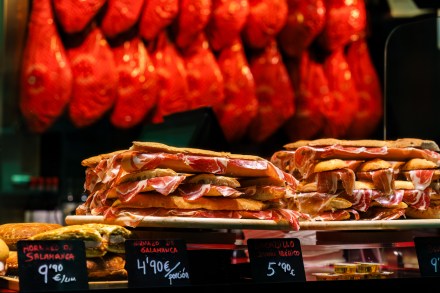
In Spain, you can eat all day – and we did. Earlier in the summer, I spent two days in Andalusia, and most of the 48 hours were taken up by mealtimes. A breakfast of the sweet porridge poleá started the day, then ham-tasting for a mid-morning snack, followed by a two-hour lunch. Spanish law requires that each Iberian pig gets 10,000 square metres to roam – a Cinco Jotas pig gets twice that Spanish chef José Pizarro led the way, taking us to his favourite restaurants and showing us where he sources his ham and caviar. I ate some of the best fish I’ve ever tasted – seafood croquettes on the beachfront at Chiringuito Tropicana in Málaga; creamy black squid ink rolls with flaky crust dipped in aioli at Eslava. Locals are mad for these restaurants.