A dying fall: The Last Movement, by Robert Seethaler, reviewed
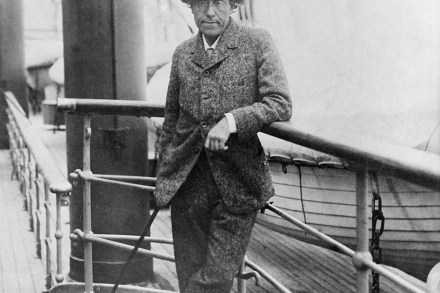
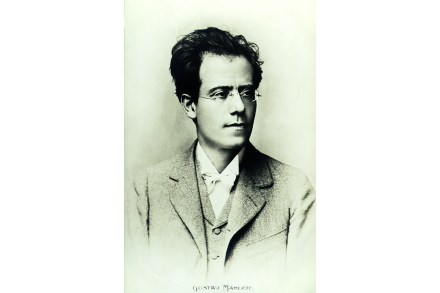
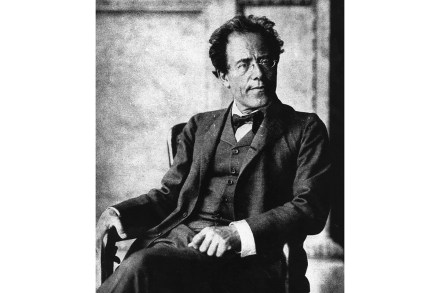
Robert Seethaler is known for celebrating the unsung: commonplace characters – peasants, labourers or shop assistants – who draw us into their quiet lives. But the protagonist in The Last Movement is a celebrated historical figure: Gustav Mahler. For those in search of biographical information, as W.H. Auden put it, a shilling life will give you all the facts. Today we’d go online. How will Seethaler, a distinguished miniaturist, deal with an icon? We meet the composer in 1911 aboard the SS Amerika on his final journey across the Atlantic, homebound and dying. A respectful ship’s boy brings him a tray of tea as he sits on the sundeck, wrapped in a blanket, contemplating the ocean and his turbulent life.