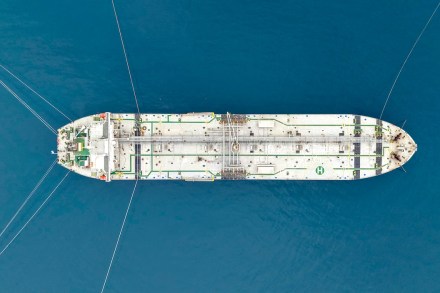
There is no alternative to the Strait of Hormuz
As a UFC aficionado, President Donald Trump might know what a twister is. It works by cranking the victim’s head one way while controlling his hips in the other. Apparently, the pressure that this places on the spine is agonizing, leading to a rapid tap out or life-altering injuries to the back and neck. In the Middle East, the President finds himself in a geopolitical twister. On the one hand, Iran’s Memorandum of Understanding terms are too unpalatable for President Trump to swallow – crystalizing as they would an unambiguous defeat, with all the strategic and political consequences that that would entail. On the other, the US Air Force has been unable to suppress or interdict Iran’s missiles and drones.