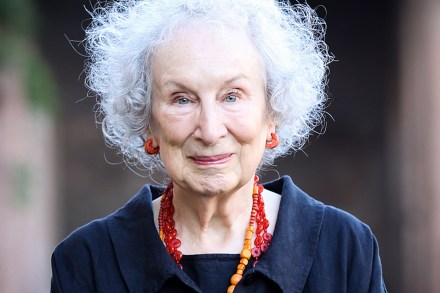
Margaret Atwood settles old scores
From our UK edition
In the introduction to Book of Lives, Margaret Atwood recalls her initial response to the suggestion that she write a memoir: ‘Who wants to read about someone sitting at a desk messing up blank sheets of paper?’ Her autobiography was hardly the stuff of high adventure: ‘I wrote a book, I wrote a second book, I wrote another book, I wrote another book.’ This is not what they meant, her publishers replied: ‘We meant a memoir in, you know, a literary style.’ While Book of Lives is about a great deal more than Atwood churning out prize-winning novels, it is not written in a ‘literary style’. The style, if anything, is anti-literary. Atwood’s voice is casual, chatty, often catty.