Glyndebourne

Michael Tanner’s Glyndebourne experience is ruined by the traffic

From our UK edition

What could be more delightful than going to Gyndebourne with someone who has never been before, arriving in time for a Figaro or Ha-Ha Tea at the Mildmay Hall, taking a stroll round the grounds, which incidentally have been considerably changed this year, and for the better (though the slightly alarming jungle near the opera house is still thriving in its sinister way), then going in for the first half of the opera, suitable exclamations from the newgoer about how enchanting it is, what wonderful sightlines, perfect temperature, and so forth, then in the long interval going to the Nether Wallop for the superb buffet, returning unbuttoned for the second half, and driving — in my case, being driven — tired but relaxed and stimulated home? That’s what one imagines.
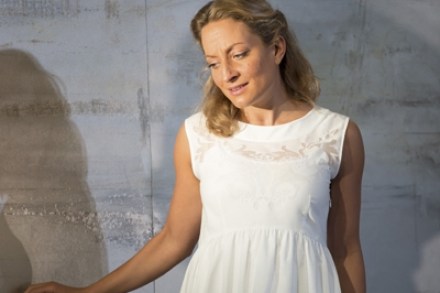
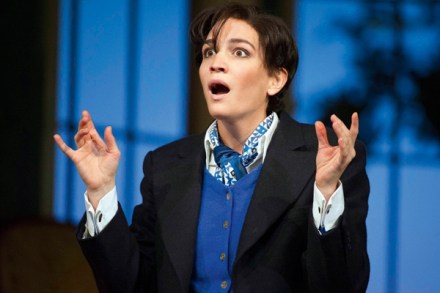
Ariadne auf Naxos at Glyndebourne – how can an opera go so wrong?

From our UK edition

Richard Strauss’s Ariadne auf Naxos should be the perfect Glyndebourne opera, not too long, not too demanding, a unique and cunning mixture of seriousness and comedy, plenty to think about if you’re inclined to do that, nothing to oppress you, almost no longueurs — though I might take that back later; and a giddy ending.

Magnificent Mozart

From our UK edition

The subtitle of Mozart’s Don Giovanni is ‘Il dissoluto punito’ (the rake punished), that of Rossini’s La Cenerentola is ‘La bontà in trionfo’ (goodness triumphant), while Monteverdi’s L’Incoronazione di Poppea might well be subtitled ‘Vice rewarded’. The subtitle of Mozart’s Don Giovanni is ‘Il dissoluto punito’ (the rake punished), that of Rossini’s La Cenerentola is ‘La bontà in trionfo’ (goodness triumphant), while Monteverdi’s L’Incoronazione di Poppea might well be subtitled ‘Vice rewarded’. They are the three operas that Glyndebourne is taking round the country this year, whether with moralistic intent I don’t know.