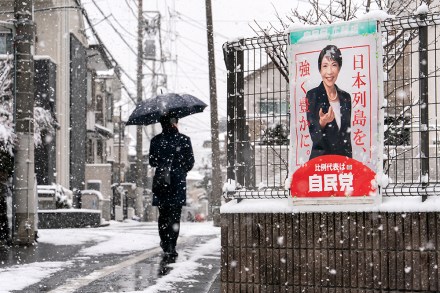
Japan’s female leader is a bright beacon, but do her sums add up?
My scepticism towards soaring markets with unconvincing fundamentals was nurtured by working in Tokyo in the mid-1980s, when the Nikkei index took off like a rocket. Shamelessly boosted by traders and analysts alike, share prices rose to absurd heights before crashing in the early 1990s and taking with them any notion of Japan as the next great economic power. The Nikkei took 34 years to regain its 1989 peak of 38,916. Since passing that benchmark, the index has roared upwards again – despite Japan’s chronic problems of stagnant growth, ballooning public debt, sclerotic corporate leadership, expensively ageing population and fears of inflation.