French art history

Why one of Renoir’s most celebrated paintings languished unloved

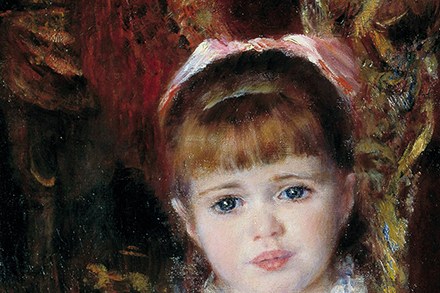
Shimmering off the cover of The Renoir Girls are sisters Alice (aged four) and Elisabeth Cahen d’Anvers (six), portrayed in all the promise and innocence of a pampered childhood by Pierre-Auguste Renoir. Aged 40, Renoir was then the coming portrait painter for the gratin of Paris, as he struggled to make ends meet with smart commissions from wealthy sponsors – a network of Catholic and Jewish banking families that included the Ephrussis (memorialised by Edmund de Waal in The Hare with Amber Eyes), Camondos, Rothschilds and Cahen d’Anvers. The gulf could hardly have been wider between the painter’s rough-hewn artisan origins and his moneyed, leisured patrons, immortalised by Proust, a
The making of Van Gogh as an artist came at a terrible cost

Six months before Vincent van Gogh’s death, the critic Albert Aurier, waxing poetical, wrote an article entitled Les Isolés on the then unknown painter. It raised to sainthood the solitary genius driven to insanity by an uncomprehending world. ‘Is he not one of the noble and immortal race which the common people call madmen but which men among us consider sort of saints?’ The man had already become myth. His life would be a sacrament and his suicide a reproach. It has remained that way ever since. Miles J. Unger thinks otherwise. He recasts our hero as the very opposite of isolé, a painter whose stylistic development was totally dependent