Frasier

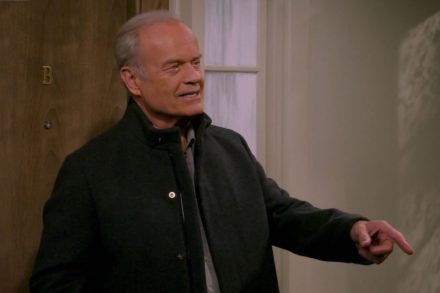
Were we all wrong about Frasier?

It is fair to say that, of this fall’s new and revived television shows, the reboot of Frasier was seen as at best a difficult proposition and at worst a cynical exercise in artistic necrophilia. There was no doubt that the original show was one of the finest American situational comedies of the twentieth and twenty-first centuries; a pitch-perfect farce, acted and written with enormous sophistication by a peerless cast, even if Jane Leeves’s “Mancunian” accent as Daphne is still one of the most peculiar things to have been heard on television. Even a lessening of impact after Daphne and Niles finally became a couple did not stop Frasier being regarded with enormous fondness after the show came to an end in 2004.

frasier

When did pop culture stop being fun?

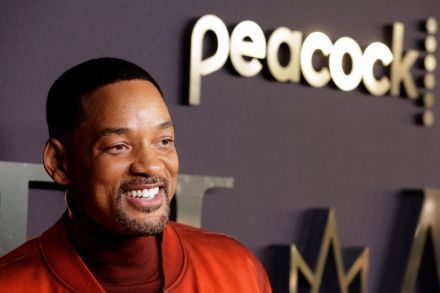
In 2019, the aspiring filmmaker Morgan Cooper had a clever idea. He took the cheery early Nineties Will Smith comedy The Fresh Prince of Bel-Air and reimagined it as a gritty social realist drama, even making a low-budget trailer for his idea. It went viral, and the streaming service Peacock turned it into a series, now titled Bel-Air. The protagonist (still named Will Smith) is again removed to his aunt and uncle’s care after getting involved in gang tensions in West Philadelphia, but the show is largely devoid of jokes. Instead, it tries to offer a serious look at the young African-American experience in the contemporary United States, complete with Instagram influencers as supporting characters. It is not much fun. Television dramas reinvented as comedies are nothing new.