The Spectator’s role in the birth of America
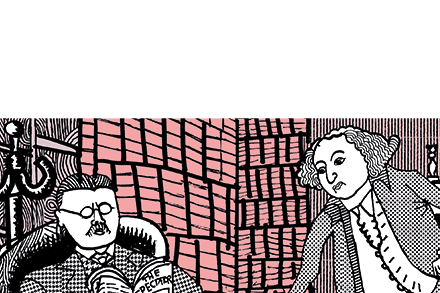
The Spectator was there at the founding of America. George Washington had six copies of the original 18th-century Spectator at his Mount Vernon estate and read them often. He shared with Joseph Addison, The Spectator’s co-publisher, an interest in how to educate ideal citizens: men and women with wit and grit. Young Washington read The Spectator in the hope of bettering himself, too. Both of his older half-brothers had been educated in England and he wished also for the manners and polish of an English gentleman. For the pioneering, self-improving men who would go on to create an independent America, the 18th-century Spectator was both an education and a guide. ‘I bought it, read it over and over, and was much delighted with it,’ wrote Benjamin Franklin in his autobiography.