Franck

Charles Owen: can you hear God in Franz Liszt’s music?

From our UK edition

26 min listen

Franz Liszt is remembered as one of the great showmen of the 19th century: a dazzling virtuoso, breaker of pianos and notorious womaniser who inspired a frenzy among his admirers. But a profound Catholic faith ran through his life, which found an increasingly powerful expression in his music. For this Holy Smoke episode, Damian Thompson is joined by the award-winning British pianist Charles Owen, whose new album De Profundis explores the sacred music of both Liszt and César Franck. Owen explains how Liszt translated the stories of saints, scripture and even birdsong into what he argues is some of the most extraordinary music ever written for the piano. Produced by Patrick Gibbons.
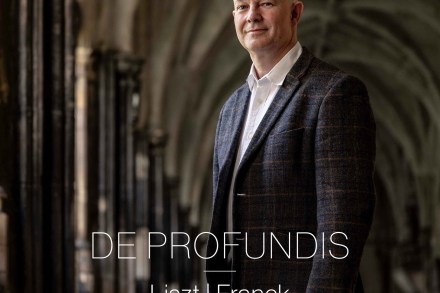
Charles Owen: can you hear God in Franz Liszt’s music?

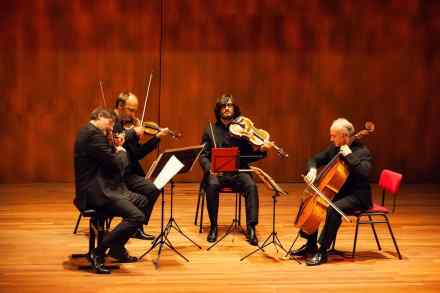
Very much NSFW: Jean-Efflam Bavouzet/Quatuor Danel at Wigmore Hall reviewed

From our UK edition

‘Drammatico’, wrote César Franck over the opening of his Piano Quintet, and you’d better believe he meant it. The score bulges with clues: piu dolce; espressivo sempre; eventually (and steamiest of all if you’re even slightly attuned to the absinthe-dazed atmosphere of French Wagnerism) tenero ma con passione — ‘tenderly, but with passion’. It was too much for Camille Saint-Saëns, who played the piano in the world première in 1880. The gossip was that Saint-Saëns knew of Franck’s infatuation with the composer Augusta Holmès, and was repulsed by music that — to jealous ears — sounded like the one-handed diary of a 58-year-old lecher.