Folk music

When Dylan went folk

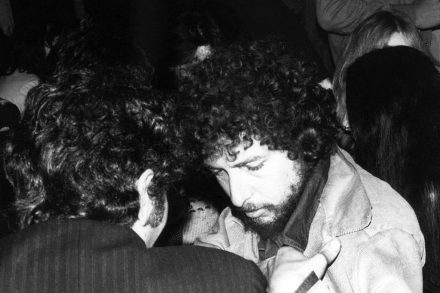
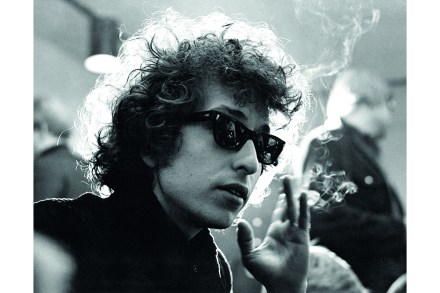
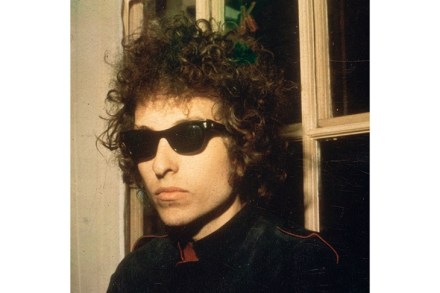
For all the billions Taylor Swift has made from guiding her career into carefully delineated “eras,” it was Bob Dylan who pioneered this career path. With practically every new album, Dylan traded one persona for another. There’s the folkie hobo of The Freewheelin’ Bob Dylan, the pill-popping beat poet of Blonde on Blonde, the cleaned-up country crooner of Nashville Skyline, the Christian revivalist of Slow Train Coming and many, many others. This year marks the 50th anniversary of Dylan’s The Basement Tapes, a tranche of previously unreleased hoedowns, goof-offs, shaggy-dog stories and barroom ballads that was never meant to be a proper album, but might be the closest we can get to seeing the man behind

bob dylan

What England’s old folk songs can teach us

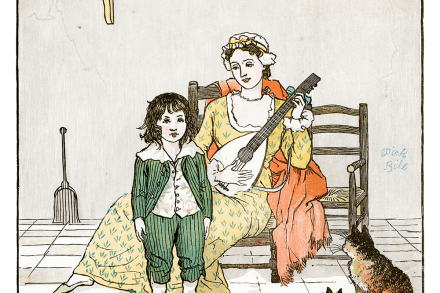
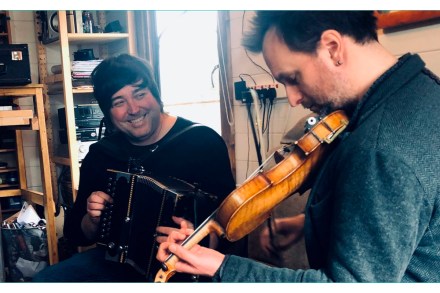
I grew up in the 1980s but in many ways it was more like the 1880s. We lived with my grandmother on the Northumbrian coast and the routine of our days echoed the routines of her youth, perhaps her mother’s and grandmother’s, too. We were like an elephant family in an African game park, following our matriarch around ancient migratory routes, oblivious to the rise and fall of regimes outside. Lunch (no elbows on the table), a walk to the sea, sherry time (Amontillado dry); then my grandmother and my clever younger brother would play Piquet while the children of lesser focus played with the open fire. And we sang