FDR

The case for the administrative state

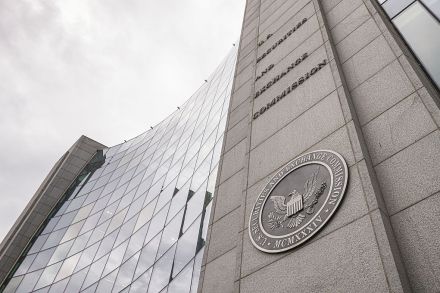
By dismantling the Deep State, Donald Trump may inadvertently have undermined his own claim to rule. A chain of unintended consequences is visible in the Supreme Court case Trump vs Slaughter, due to be decided this month. It began with Trump’s firing of Federal Trade Commissioner Rebecca Slaughter in the early days of his second term. She sued, federal judges backed her and Trump sued back. He asserted the right to fire anyone he wants. Trump’s view is that the president is boss of the whole executive branch – there can no longer be bureaucrats and regulatory boards with special status and guarantees against firing. Americans get to vote for the people who rule them. In that sense, Trump has been trying to make the country more democratic.

Let them eat woke

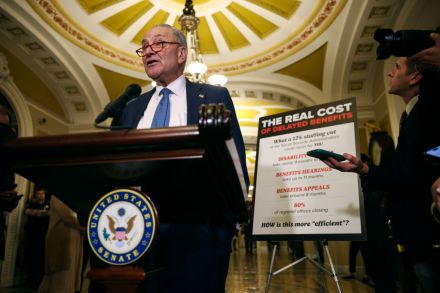
If you have ever been desperate and adrift, you understand the Democratic Party’s frustration. One day, James Carville tells his party to do nothing and let President Trump destroy himself. Another, the Montgomery Burns of American politics, Senator Chuck Schumer, advises a strategy of sustained resistance, rallying his troops to “make Donald Trump the quickest lame duck in history.” The old Senate Minority Leader feeds his angry, cannibalistic followers in hope they won’t eat him. Some Democrats protest their party has been too woke. Others, not woke enough. Pete Buttigieg, a man not often confused with a lumberjack, swaps “darn” and “shucks” for saltier words to demonstrate his party’s determination.

Democrats

Trump only harms himself by floating the idea of a third term

Donald Trump this weekend floated the idea of running for a third term. Unless he’s doing it in 1940 when Franklin D. Roosevelt did, it’s unconstitutional. I don’t mean unconstitutional for Judge Boasberg or Judge Chutkin or some zealot in robes in San Francisco or Seattle. I mean unconstitutional in capital letters for any judge, including a 9-0 vote on the Supreme Court. The legal background here is straightforward. When FDR ran for a third term in 1940 and for a fourth in 1944, there was no legal or constitutional prohibition against doing so. There was simply a well-established norm, begun when George Washington returned to Mount Vernon after two terms. That norm was respected by every subsequent president. Until FDR.

Trump’s attitude on Executive Orders is nothing new

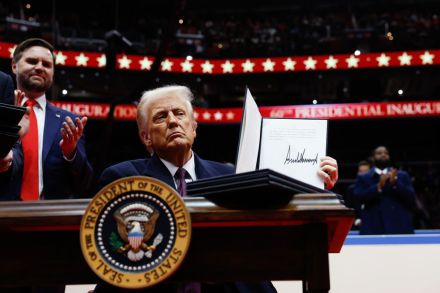
President Donald Trump wasted no time implementing his agenda after taking the oath of office on Monday. He’s issued more than two dozen Executive Orders (and counting), touching everything from immigration to affirmative action to trade. The orders may align with his campaign promises, but underscore a broader trend in American politics: the increasing reliance on executive power over congressional votes. The attitude is far from new. The rise in Executive Orders can be traced back to the beginning of the twentieth century. Theodore Roosevelt issued 1,005 Executive Orders from 1901 to 1909. Woodrow Wilson wrote 1,767 from 1913 to 1921. Herbert Hoover issued 1,003 from 1929 to 1933.

Can Kamala Harris escape the ‘Hubert Humphrey problem?’

When the sitting president is not running for reelection, the party typically turns to his vice president as the “natural” nominee. That’s true again this year, now that the Democratic Party powerbrokers forced Biden out of the race, fearing he would not only lose the White House but sink down-ballot Democrats alongside him. So, the party turned to his vice president to lead the ticket. That’s commonplace in the modern era, but it’s a relatively new development. It wasn’t true before the 1950s. That change raises three questions: 1. What was the earlier role of the vice president? 2. Why has that role changed? and 3. Why do those changes make it likely, though not certain, the VP will become the party’s next nominee?