Farmers

East Palestine and the roots of rural mistrust

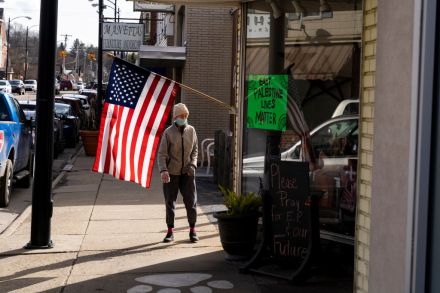
The East Palestine, Ohio, train derailment has thrust rural America into the national spotlight. Town mayor Trent Conaway, a hefty, scruffy figure who resembles many a resident of flyover country, has been all over cable news expressing his “frustration” over how the federal government has handled the disaster. “Frustration” is exactly the word I’d use to describe the predominant feeling I encountered last week during my visit to East Palestine. It’s the same attitude I come across constantly in my rural Pennsylvania homeland. The way the East Palestine disaster has unfolded magnifies the rural perception of government, and both sides of the aisle would be wise to take a closer look and listen.

rural

The worldwide working-class counterrevolution

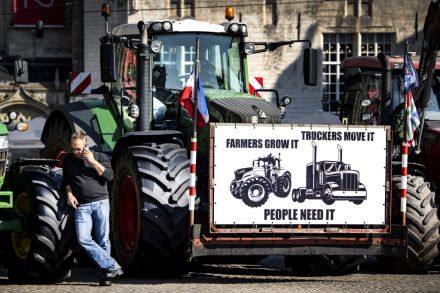
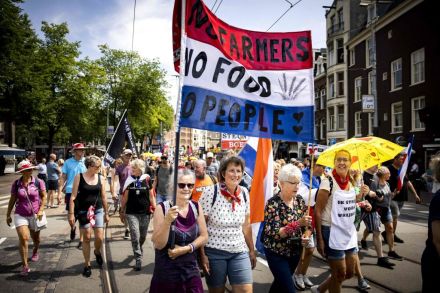
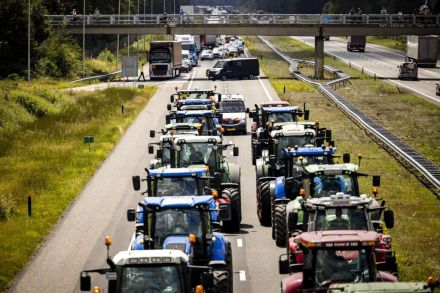
Something is happening across the world right now, something that deserves more attention than it's getting. First, to the Netherlands, where farmers have been protesting, blockading roads with their tractors and staging enormous rallies. The demonstrations have been going on and off since 2019, when the Dutch legislature proposed a crackdown on nitrogen emissions. Nitrogen is heavily emitted by livestock and fertilizer, which means the regulations are hitting Dutch agriculture especially hard. But it wasn't until July that the protests garnered international attention. The Dutch government announced plans in compliance with a court order to cut nitrogen emissions by 50 percent.

Dutch farmers touch off a worldwide revolt

Why are farmers around the world standing in solidarity with a tiny country in northwestern Europe? What’s going on here? Starting in June, 40,000 Dutch farmers took their tractors to the streets to protest their government’s proposal to slash nitrogen emissions. For some farmers, this plan will mean culling 95 percent of their livestock. For others, it will mean going out of business altogether, hoping to sell their land to make ends meet — with the Dutch government as the only buyer. I’m as green as the next guy, but there is a thin line between regulation and tyranny.

Dutch farmers are fighting for freedom

Dutch farmers have had enough of government overreach. And they’re taking to the streets as only farmers can. The government of the Netherlands, in order to fight climate change, recently proposed a 50 percent cut in ammonia and nitrous oxide emissions by 2030 — which will disproportionately impact the agricultural industry. Small farms are thus faced with two choices: shutter entirely or face poverty after culling their livestock. The Dutch government is not sympathetic to these concerns. In their words, “The honest message...is that not all farmers can continue their business.