How to maintain the equestrian aesthetic
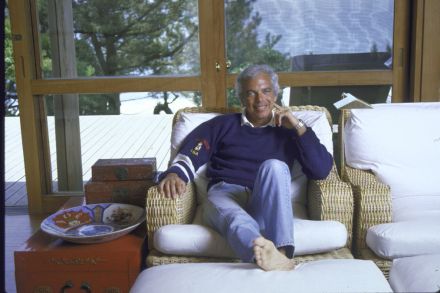
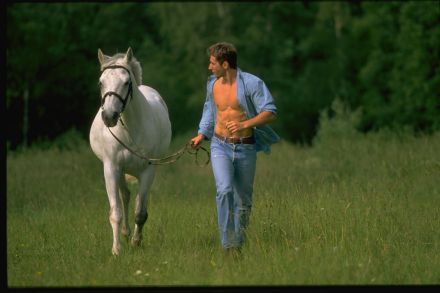
“We know what art is! It’s paintings of horses,” Alec Baldwin’s Jack Donaghy says from his elegant top-floor office in 30 Rock. George Stubbs’s masterpiece “Whistlejacket”; “Napoleon Crossing the Alps” on his rearing warhorse Marengo, by Jacques-Louis David; English hunt scenes. Horses are a quintessential subject in European, and especially English, art. They evoke palatial country estates passed down over the centuries and the breeches, boots and hunt colors of the men who ride for sport and leisure. Yet the equestrian aesthetic is now synonymous with Ralph Lauren, who deconstructed the WASPish polo style into something modern and American, only to have his own discerning innovations copied to an endless, commercial degree.