Elizabeth blackwell

The art of flowers

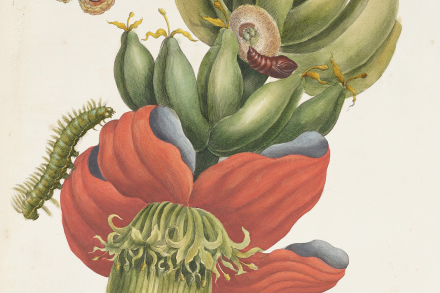
Multi-sensory exhibitions are old hat, but in the case of In Bloom – How Plants Changed Our World at Oxford’s Ashmolean Museum, it feels just right to sit in a space given over to flowers with the sound of gurgling water in the background, mingled with the cries and chirrups of birds. At intervals there are scent stations where you can smell damask rose or green and black tea from flower-shaped chalices. From the ceiling hang swathes of green muslin. I could have stayed here all afternoon. Right in front of me were also two delicious studies of tulips to illustrate the Dutch craze of the 1630s. Frankly, if it came to a choice of two-tone tulips or Bitcoin as a way of squandering money, I know which I’d prefer.
A history of pioneering women doctors descends into Mills & Boon trivia

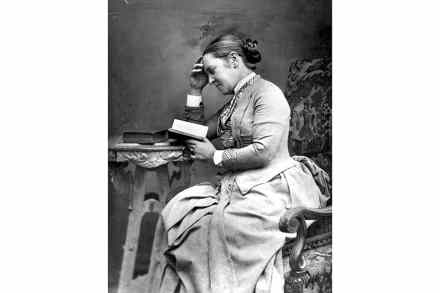
The first three women doctors on the medical register in the UK had not only to study harder than their male counterparts but also to contort themselves in almost impossible ways, jumping from city to city and country to country in order to gain the scientific knowledge and clinical skills that would allow them to progress. In fact, even after reaching standards where men could easily have graduated, they had to plead to be allowed to sit the exams. Of course, misogyny was not the only bigotry in the 19th century. To black slave-workers, these wealthy white women, who were encouraged to lead pampered lives rather than work in such a ‘male’ field, were lucky.