Dying

Time for a reckoning: Vigil, by George Saunders, reviewed

George Saunders is at his most lively in the company of the dead. At ease with ghosts. In the 2022 Booker-winning Lincoln in the Bardo, Abraham Lincoln mourns his young son in a graveyard surrounded by a clamorous crowd of the newly deceased trying to be helpful. Grief, handled with sweet humour. But Saunders has not always been so gentle. His acclaimed first collection of stories, CivilWarLand in Bad Decline (1997), featured a landscape of grotesque theme parks populated by corpses, enslaved humans and ghosts. Even then, compassion edged in, rubbing shoulders with absurdist humour.  Saunders is a cradle Catholic, and the liturgy frequently surfaces in his stories; but his

The diary of a dying man: Graham Caveney’s poignant cancer memoir

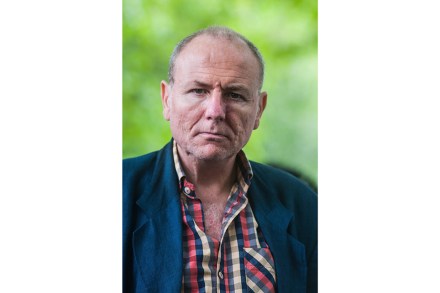
Reading this third memoir by Graham Caveney, a knot in my chest tightened. It wasn’t only because it’s a cancer memoir; it was because the unfolding of history so often shows that abuse begets self-destructive behaviour. To parody Auden: I and the public knowWhat all healthcare staff learnThose to whom evil is doneDestroy themselves in turn. Caveney’s two previous memoirs, The Boy with the Perpetual Nervousness and Agoraphobia, outlined his working-class childhood in Accrington, Lancashire, and his winning of a place at a Catholic grammar school. But where the school succeeded in helping him achieve his aim of becoming a writer, it also screwed with his head, because he was

‘This pain, of all pains, cannot be palliated’: a doctor cares for her dying father

Dear Life arrives at a time when the public appetite for the personal accounts of medical insiders shows no sign of abating, with scores of such books having been published in recent years. Their enduring popularity is often — and, arguably, best — characterised as a kind of literary fallout from a decade of austerity and the very public ire this has drawn from health professionals. Rachel Clarke’s 2017 debut, Your Life in My Hands: A Junior Doctor’s Story, was written partly as a response to the 2015 dispute between NHS junior doctors and the then health secretary Jeremy Hunt, as well as the general impact of austerity measures on