Dubai

Where the young rich flee to

From our UK edition

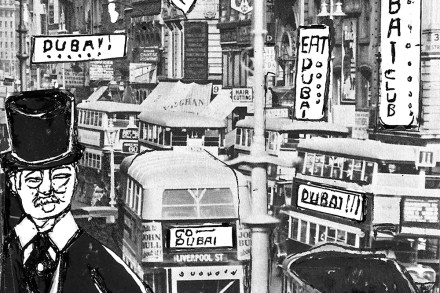
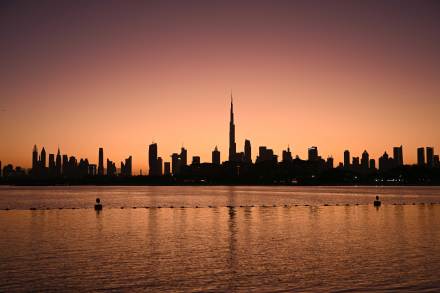
If Elon Musk gets his way, and Mars becomes our newest New World, I had always assumed that the people who emigrated there would be rather like the Pilgrim Fathers – ascetic, homogenous, insular and highly religious. The sort of group that has historically had the psychosocial qualities necessary for withstanding a long voyage to a dangerous frontier. My money is still on the Pilgrim-types to lead the way, at least in the early waves. But I did wonder, while sitting in its airport last week, if interplanetary human civilisation might one day end up looking something like Dubai. Dubai operates rather like a space colony. It depends on desalinated sea water and imports almost all of its food.

The curious cult of Dubai-style chocolate

From our UK edition

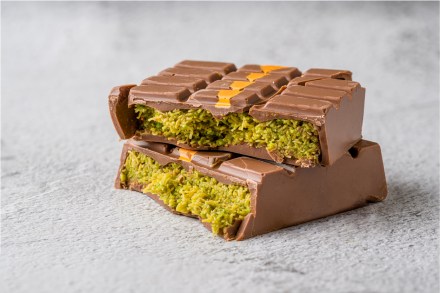
Dubai-style chocolate, viral star of TikTok and Instagram, is so popular that Waitrose is limiting sales to two bars per customer. The upmarket supermarket chain has taken the move, the Times reports, ‘because we want everyone to have the chance to enjoy this delicious chocolate’. Some are sceptical. Steve Dresser, who heads up consultancy Grocery Insight, has questioned whether this is a marketing ploy, with Waitrose ‘trying to generate scarcity’. The supermarket says no, assuring the Grocer of the ‘incredible popularity’ of these £10 confectionery bars. It’s incredible all right. Even Waitrose’s yellow sticker fare is beyond my budget, so to me a tenner for a slab of chocolate sounds not so much indulgent as fall-of-the-Habsburgs decadent.

The underground music scene reshaping Dubai’s cultural landscape

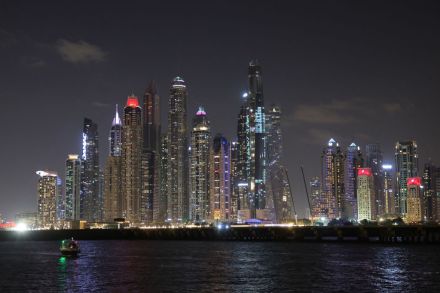
Nestled between the sci-fi skyscrapers of downtown and luxury marina beaches, Dubai has a side few tourists or outsiders get to see. Forget the glamour and explore the industrial warehouses of al Quoz and the unassuming streets of al Barsha, coated in a layer of desert dust. You would be justified in assuming the al Barsha Holiday Inn, awkwardly situated adjacent to the eighteen-lane Sheikh Zayed Road, must be a low point. But if you find yourself in its gaudy lobby on the odd Saturday night, you might be surprised to see punk ravers and goth girls draped in chains suddenly streaming toward the elevators at the back. Follow them down to the lower levels and you’ll find the Q Underground, one of the venues at the vanguard of Dubai’s boundary-pushing alternative music scene.

Dubai

My night with Beyoncé at Dubai’s most lavish hotel

From our UK edition

Last weekend, Beyoncé was paid $24 million (£19.5 million) to perform for 1,500 invited guests in Dubai. Somehow, I was among them. Her set, which was her first live performance in four years, was 85 minutes long. That’s £230,000 a minute or £13,000 per head. And those millions are the mere tip of the air-conditioned iceberg. Queen B’s record-smashing fee barely surpassed my own champagne and beluga caviar bill that evening – covered by the host. This was all in aid of the opening of a hotel – Atlantis The Royal – which cites itself as ‘the most ultra-luxury resort in the world’. Never has a ribbon-cutting ceremony been so decadent. It brought to mind the Shah of Iran’s notorious 1971 party amid the ancient ruins of Persepolis, but designed for Instagram.

Bad influence: Instagramming from Dubai isn’t ‘work’

From our UK edition

January is when the difference between the rich and the poor becomes most evident. Whereas many people face a month plagued by the three Ds — debt, divorce and doldrums — the famous tend to take off for more clement climes. Simon Cowell famously frolics at the Sandy Lane Hotel in Barbados at the start of each new year, and I myself have spent many January days at the Ritz-Carlton — but only the one in Tenerife, because I believe in keeping it real. This winter, subdued British airports have also seen a mass exodus of a particular youth tribe recognisable by their bright white teeth and deep mahogany tans — the hordes of youngsters who are reality TV stars and/or create content for Instagram. And most of them are going to Dubai.