Digital literacy

Are we becoming post-literate?

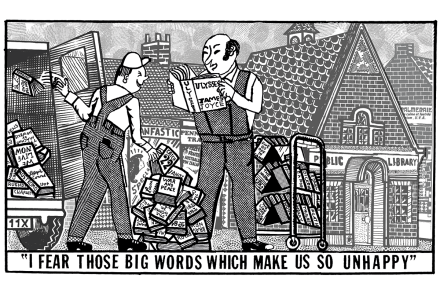
Everybody is suddenly recognizing, almost in unison, that many major of the cultural shifts in recent years were accelerated, if not explicitly caused, by Covid lockdowns. In confinement we went online and when we spent more time in cyberspace than in meatspace, our brains began to change. The most significant shift is that we have turned away from books and reading, and as a result our attention spans are collapsing. The screen is eclipsing the page. In the US, reading for pleasure has crumbled; in Britain, a third of adults no longer read books at all. The “reading revolution” that expanded consciousness in the 18th century is in retreat. But what’s emerging is not illiteracy: it’s post-literacy. We are becoming post-literate.

post-literate

The face of digital illiteracy may not be as wrinkled as you’d think

As a teenager in the early 2000s, I used to volunteer at my hometown’s local senior citizens’ center, teaching digital skills. In those days, that involved learning how to set up neon-turquoise iMac desktop computers, subscribing to AOL via CD-ROMs that had arrived in the mail, and not clicking on emails that might install a virus. These days, the equivalent crash-course in basic technology would inevitably involve social media – and, increasingly, how to avoid the extraordinary amount of fake viral content there. A new BuzzFeed feature by Craig Silverman looks at new efforts to expand digital literacy initiatives to seniors, a population that has historically been left out of that conversation.

Rep. Devin Nunes and his cow digital illiteracy