Devil

Devil in the detail

When I was offered the chance to review two new books about the Devil, I thought, “what fun!” I wouldn’t describe myself as a particularly diabolical person, but as someone whose deep love of Paradise Lost has made me, as good old William Blake didn’t quite put it, “of the devil’s party while very much knowing it,” I rubbed my hands together in glee at the prospect of getting down and dirty with Old Nick. Not, you understand, that my purely literary interest can begin to compare to the “Satanic Panic” outbreak that gripped the imaginations of middle America in the late 1980s and 1990s. “Satanic cults! Every hour, every day, their ranks are growing!
devil

Spooky season’s religious revival

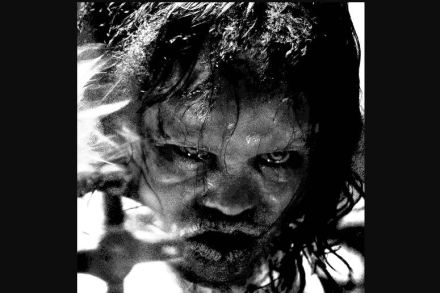
One of the most anticipated films to hit theaters this October is The Exorcist: Believer, a direct sequel to one of the greatest horror movies of all time, The Exorcist, which is celebrating its fiftieth anniversary this year. Coincidentally, the original film’s director, William Friedkin, passed away just a couple of months ago. In the wake of Friedkin’s death, Matthew Walther reexamined The Exorcist in a guest essay for the New York Times. He posited that the film hinges on the acknowledgment of supernatural evil and the use of longstanding Catholic theology and tradition in defeating it.

Why do so many Americans believe in the Devil?

Early in our marriage, my wife vetoed the idea of celebrating Christmas in the Alpine tradition: by having Santa Claus accompanied by Krampus, your friendly neighborhood ice-demon. Of course, Mrs. Davis was amenable to the idea of a horned monster beating our children with birch rods. At least when they’re naughty. Then she realized that, since neither of us are Swiss, it would technically be cultural appropriation. That was the end of that. Speaking of demons, here’s a little Christmas meditation for you: more Americans believe in the Devil than in God. According to a recent survey, 56 percent of us believe that “Satan is not merely a symbol of evil but is a real spiritual being and influences human lives.” That’s compared to 51 percent who believe in an all-powerful Creator.