Department of Government Efficiency

DEI still rules the Dems

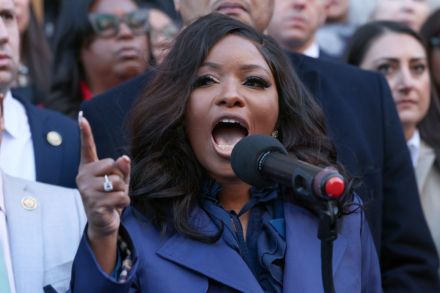
While some Fortune 500 companies are dropping DEI programs like hot cakes, many in the Democratic Party are not so eager. Congresswoman Jasmine Crockett, who was almost the official face of the House Democrats’ messaging, has been taking her message that “mediocre white boys” are the ones complaining about DEI to the airwaves of cable news.Now the Democrats’ Senate committee is rolling out a job application form with an optional DEI section where applicants can pick between five sexualities and five genders, with options including “trans* woman / Transfeminine” and “pansexual.” This form was one of the first actions that the Democratic Senatorial Campaign Committee’s (DSCC) new chief diversity and inclusion officer.

dei

DoGE hasn’t been the success supporters initially believed

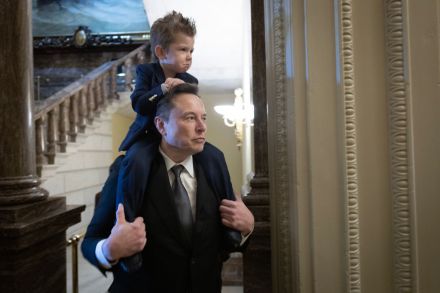
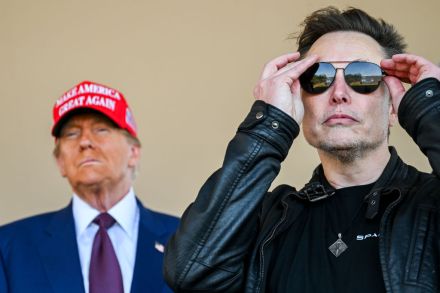
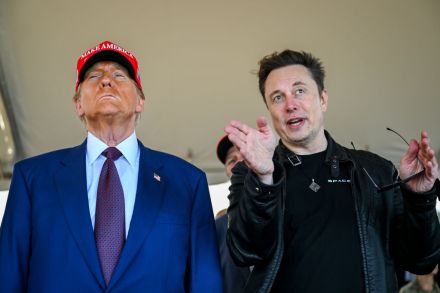
There were high hopes when Donald Trump announced plans for a Department of Government Efficiency (DoGE) in mid-November. Led by Elon Musk and Vivek Ramaswamy, DoGE was portrayed as a gift to smaller, more efficient government advocates through fewer regulations and a restructured government. “It will become, potentially, the Manhattan Project of our time,” boasted Trump at the time. “Republican politicians have dreamed about the objectives of DoGE for a very long time.” Trump seemed to picture Musk and Ramaswamy as a two-headed monster, ripping to shreds bureaucracy through “advice and guidance” along with an “entrepreneurial approach to government.

DOGE

What is DoGE’s hardest task?

The nasty fight between Elon Musk and Steve Bannon over H-1B visas, meant for high-skilled workers, is the Ghost of Christmas Future. That’s not because the visas themselves will be a perennial problem. It’s because of three larger implications, foreshadowed by the visa dispute. One is the battle between populist nationalists (represented, in this case, by Steve Bannon) and growth-oriented American companies with extensive foreign markets. Those are led by hi-tech industries, represented here by Elon Musk, which benefit from bringing in foreign engineers, programmers and others. The second implication is that, in a country with only two major parties, there are bound to be major cleavages within each party on a wide range of issues.

doge

The ever-Continuing Resolution

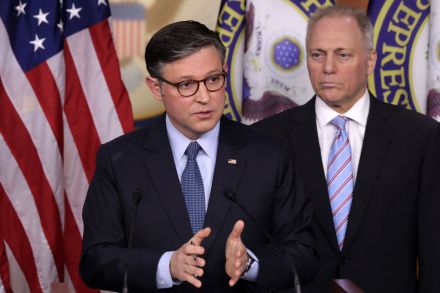
In the 1870s, Gustave Flaubert assembled Le Dictionnaire des idées reçues, a humorous collection of “received ideas” and clichés then current in French society. A new version needs to be produced for contemporary America. As in the original, the humor would often turn on the contradiction or subterfuge implicit in the word or phrase. “Affirmative action” would merit an entry, since it is supposed to be about battling discrimination when in fact it enshrines discrimination in law. So would the current favorite, “Continuing Resolution” (“CR” among the cognoscenti). The phrase carries the aroma legislative diligence.

donald trump continuing resolution

How DOGE is planning to cut down the feds

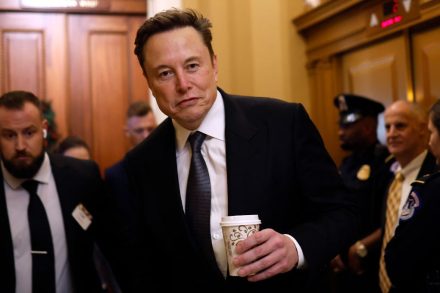
President-elect Donald Trump’s appointees for his new Department of Government Efficiency (DOGE) are planning to crack down on employees who work from home — those who are left, anyway, after the duo’s round of “large-scale firings.”In an op-ed published by the Wall Street Journal Wednesday, Elon Musk and Vivek Ramaswamy laid out “the DOGE plan to reform government,” in which they purport to “reverse a decades-long executive power grab” while “following the Supreme Court’s guidance.

appointments

What Trump’s appointments tell us

Donald Trump may have a four-year term, but he has far less time to make a real difference. In practice, he may have a year or perhaps eighteen months before the midterm election looms and Congress slows to a crawl. If Trump wants to be a transformational president — and he clearly does — then he will have to move fast. That’s exactly what he’s doing. He’s beginning with a series of rapid-fire appointments, most of which require approval from the new, Republican-majority Senate. (His White House aides, such as national security advisor, do not require Senate approval.) What message is Trump sending with his appointments so far? First, he demands loyalty — to him and to the agenda he articulated clearly on the campaign trail.