David mamet

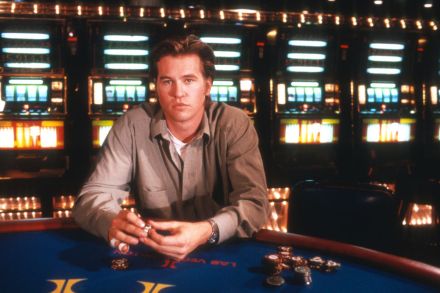
Val Kilmer should be more appreciated in death than he was in life

The late Val Kilmer was difficult. That word is a kiss of death in Hollywood, because as soon as it’s murmured that you are hard to work with, your career declines inexorably. Kilmer had directors lining up to say how impossible he was. Joel Schumacher, who made Batman Forever with him, barely stopped kvetching about the actor, calling him “overpaid, overprivileged and psychotic.” Shortly after the film’s release, Schumacher said “He was badly behaved, he was rude and inappropriate. I was forced to tell him that this would not be tolerated for one more second. Then we had two weeks where he did not speak to me, but it was bliss.

Kilmer

Why David Mamet went right

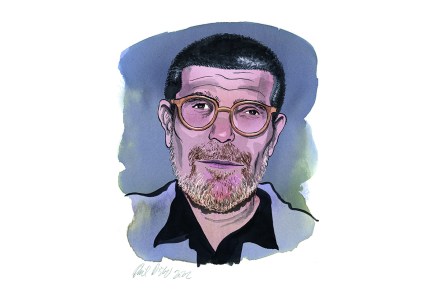
How did David Mamet spend the pandemic? The answer, as anyone familiar with the prolific, brilliant playwright and screenwriter would probably have guessed, is that he wrote. “I’ve been writing a lot of essays lately,” Mamet, seventy-four, says when we meet at his Santa Monica home on a cool January evening. “Because, you know, I don’t want to go and sit on a park bench. I’m a writer.” A collection of essays written during the tumultuous plague years is published this month by Broadside, an imprint of HarperCollins. Recessional: The Death of Free Speech and the Cost of a Free Lunch is combative, challenging, witty, and, as the title suggests, its prevailing mood is as dark as the “terrible” period in which it was written.

Mamet