David Fincher

Twenty-five years of Fight Club and American Beauty

Sound the alarm: hypermasc beefcakes all over the world have an anniversary to celebrate! Beware women, children and the effete, this year marks the twenty-fifth birthday of both David Fincher’s notorious psychodrama Fight Club, adapted from the debut novel by Chuck Palahniuk, and Sam Mendes’s equally notorious American Beauty, which has gone from Oscar-winning acclaim to being a punchline on chat shows and animated comedies alike. If you haven’t seen Fight Club, shame on you. Go to Hulu and binge away. Revel in its anarchic ludicrousness and head-to-head carnage; inhale the feculent atmospheres of Lou’s Tavern and Tyler’s dilapidated mansion house, all tied together through Fincher’s iconic desaturated color palette. It is all too easy to taste the blood, sweat and tears.

Fight Club

Have we misunderstood David Fincher?

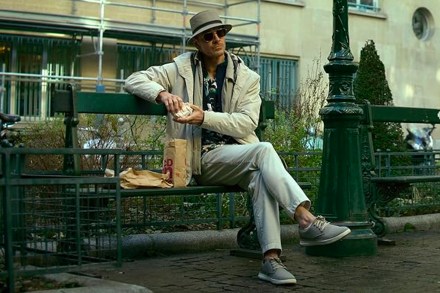
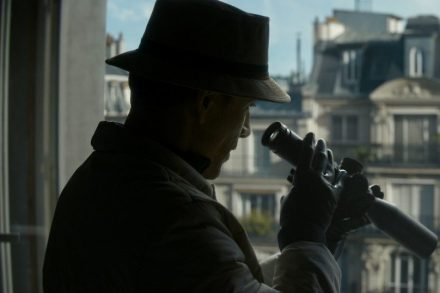
The trailer for David Fincher’s latest movie, the hitman thriller The Killer, promises that admirers of one of cinema’s most talented directors will be getting their money’s worth, whether they see it during its theater release or wait for it to premiere on Netflix (which paid for it), just as they did Fincher’s previous film, Mank, and his serial-killer series Mindhunter. There will be a lead performance by Michael Fassbender — returning from several years away from the big screen racing cars — that will, as usual, combine icy charisma with brute physicality. There will be impressively gloomy cinematography, courtesy of Erik Messerschmidt.

The Killer is a black-comic masterpiece

When David Fincher’s latest picture The Killer premiered at the Venice Film Festival in September, it was to a more muted reception than might have been anticipated. Part of this may have been because, with the actors’ strike very much in force, its stars Michael Fassbender and Tilda Swinton were nowhere to be seen, with Fincher himself the only A-lister on the red carpet. But it was also undoubtedly because the finished film was not remotely what many had anticipated. Early hype suggested that The Killer would follow the exploits of Fassbender’s anonymous assassin as he (inconveniently) develops a conscience, presumably setting up an existential quandary.

killer

With The Killer, will David Fincher return to his former greatness?

In the Nineties, David Fincher established himself as the cult director for a certain type of cineaste. After the misstep of Alien 3 (underrated, still not great), he came back triumphantly with the still-astonishing serial killer thriller Se7en, and then established his credentials with the millennial satire Fight Club. It was a box-office flop but attracted an immediate, fervent following who latched onto its director as a near-prophetic figure, capable of combining visual pizzazz acquired from his days as a music video director with a mordant, dark wit. He became one of those filmmakers who could simply be referred to by the initiated by his surname, like Scorsese or Spielberg.

david fincher killer