Cultural Revolution

Jung Chang: what the West gets wrong about China

No writer has done more than Jung Chang to bring the horrors of Maoist China to the attention of western readers. In her monumental memoir Wild Swans (1991), she recounted the Chinese Communist Revolution, the Great Famine and the Cultural Revolution through the stories of her grandmother, her mother and herself. Its influence was enormous: Wild Swans sold more than 15 million copies, making it one of the best-selling nonfiction books of all time. In Mao: The Unknown Story (2005), co-written with her husband, the historian Jon Halliday, she blew apart decades of Chinese Communist party propaganda to reevaluate Mao as one of history’s greatest monsters, as bad, if not worse, than Hitler or Stalin.
Maoist China in microcosm: Old Kiln, by Jia Pingwa, reviewed

From our UK edition

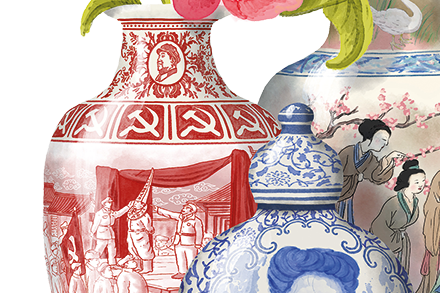
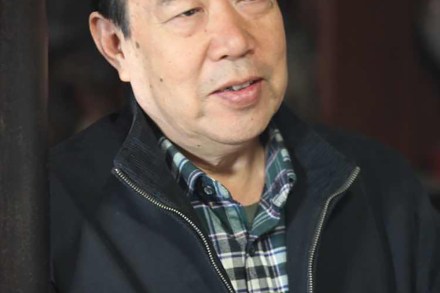
Old Kiln is a novel spoken by the muse of memory but carved into shape by the fear of forgetting. Jia Pingwa (b.1952) wrote the first draft in 2009 after visiting his home village. Remembering a prolonged bloody conflict that tore the village apart during the Cultural Revolution, he was disturbed to find all traces of it gone – and the younger generation knowing nothing about either the violence or the Cultural Revolution itself. Old Kiln also confronts a similar amnesia afflicting the entire country. The fictionalised village is China writ small – its kiln that fires porcelain providing the book’s title.  Jia is superb at marshalling large-scale scenes of chaos and balancing them with quieter interiors.