I find it hard to be outraged about the Man City saga
From our UK edition
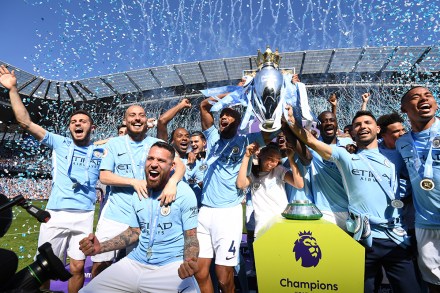
When the sonorous voice of Clive Myrie describes something as the ‘biggest sports story of the century’ in tones normally used for events in Kyiv or Gaza it’s probably time to sit up and listen. Or maybe not. The City saga – at root claiming that the club breached financial rules to pay its way from 2009 to 2018, when they won the Premier League three times – has been going on for eight years after all, and if Ferran Soriano, the chief executive, and the unfeasibly wealthy chairman, Khaldoon Al Mubarak, know what they are talking about, it’s got plenty more time to run. God help us! And they do seem pretty bullish. None of this, ‘OK guv, you got us bang to rights, we’ll come quietly’ stuff. Personally, I find it difficult to get worked up about this story.