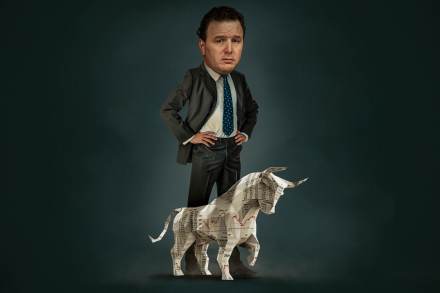
How does Michael Klein do it?
Soon after the stunning news broke on June 7 that LIV Golf and the PGA were burying the hatchet, dropping the litigation between them and joining forces, my phone started blowing up. My Wall Street sources were nearly dumbstruck. The deal itself was a stunner, of course, conducted so secretly by the leaders of both the PGA and LIV that the professional golfers who make the two warring organizations possible had been clueless about what was happening. But that’s not what my people wanted to discuss. All they wanted to talk about was how Michael Klein — a longtime Wall Street investment banker with an eponymous advisory firm, M. Klein & Co. — had once again tapped into his deep relationships with Saudi leaders and was representing them in the LIV merger with the PGA.