Confucius

Is China still a Confucian country?

From our UK edition

29 min listen

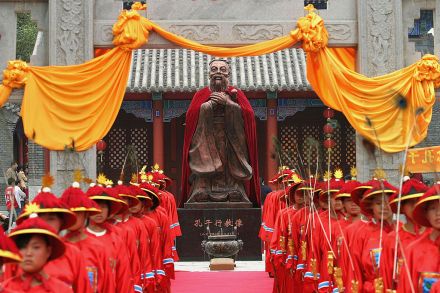
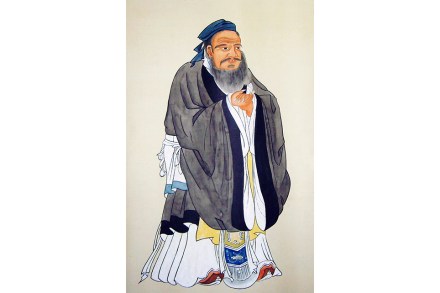
For thousands of years, Confucianism has run through the fabric of Chinese society, politics and culture. Decades of Communism has taken its toll on China, so can it still be considered a Confucian country? Joining the episode is one of the world’s leading experts on the philosophy, Professor Daniel Bell. In 2017, he was appointed the dean of Shandong University, an unusual appointment for a foreigner in China but one based on his expertise in Confucianism, in the province of Confucius’s birth. His new book, The Dean of Shandong: Confessions of a Minor Bureaucrat at a Chinese university, details some of the ups and downs of his time in that position.
Spirit of place: Elsewhere, by Yan Ge, reviewed

From our UK edition

This collection of stories is so assured, and delivered with such aplomb, that it’s hard to believe it’s a debut – and, as it turns out, that’s because it isn’t. Although Elsewhere is Yan Ge’s first book written in English, she is a seasoned novelist in China, where she has been publishing fiction for more than 20 years. For the past decade, Ge has lived in Britain and Ireland, and the collection captures the spirit of both her birthplace and her adopted homes in a variety of registers. The stories set here have a whiff of autofiction to them, but transcend their origins with style and wit.

Communist China abandons Confucius

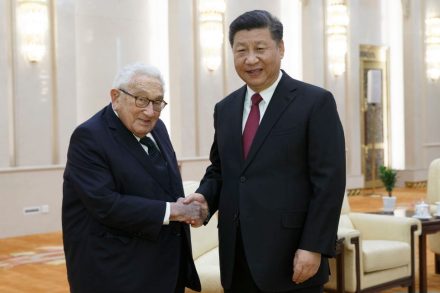
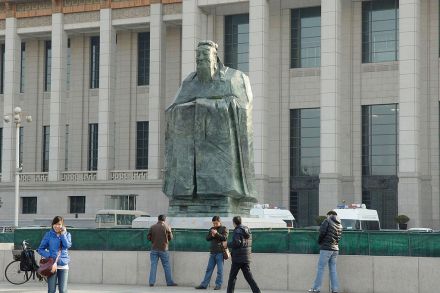
China in late September celebrated the 2,572nd birthday of Confucius, a mark of pride for the Chinese Communist Party. A week later, it celebrated its 72nd “National Day,” commemorating the founding of the People’s Republic of China. Chinese President Xi Jinping regularly gushes over Confucius in speeches and even in his 2015 book. Since 2004, the Chinese government has sponsored more than 500 “Confucius Institutes” — public educational and cultural promotion programs — to the price tag of billions of dollars. But how Confucian is China? And is Confucian statecraft a good thing?

The confusion of the Confucians

The French fight it out in the streets, the British leave it to their politicians to stab each other in the back, and Americans turn to the market. This is normal service in abnormal times. The turbulence affecting Western societies isn’t going to stop soon, and the ship cannot be steadied by the hand of government on the tiller, whether by small changes to the tax code or big subsidized boondoggles. In fact, the voters suspect that government — not government in principle, but government as practiced — is the problem. And they’re right. I’ve been in Washington, DC for a couple of days, so excuse the world-historical reflections. Two big changes are afoot in the world now, digitization and the shifting of global GDP away from the Euro-Atlantic region to Asia.

Kissinger