Churchill

Why face masks weren’t compulsory during WW2

From our UK edition

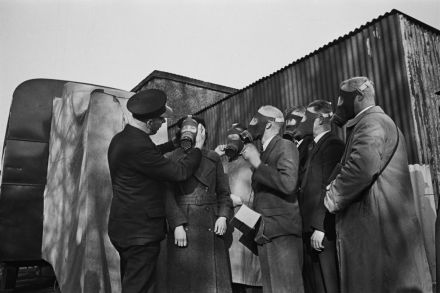
Britain has been here before when it comes to furores about face masks. Exactly 80 years ago the same argument was raging, with the country split between those who wanted the wearing of gas masks to be made compulsory on pain of financial penalty, and those who maintained it should be an individual choice. Unlike today's virus, the threat facing the country in the summer of 1940 was a destructive Nazi war machine that in a matter of months had torn through most of western Europe. Britain was next in Hitler's sights and an aerial gas attack was what the government feared most. In 1938 Neville Chamberlain's government, aided by a coterie of academics and intellectuals, launched its own 'Project Fear'.
The portrait that Churchill couldn’t face

From our UK edition

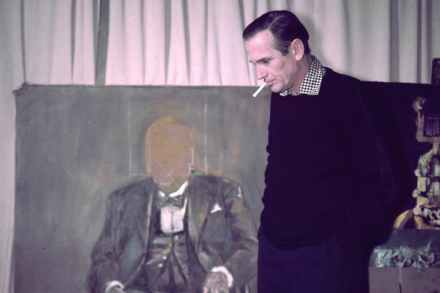
Winston Churchill was no Adonis but most of his portraitists did what they could to flatter him. However, when the British artist Graham Sutherland (1903–80) was commissioned to paint a full-length portrait of Churchill in 1954 for 1,000 guineas (about £27,000 today), paid by the House of Commons and the House of Lords, and to be presented in a lavish public ceremony, things did not go well. Sutherland was chosen not by Churchill but by members of the Houses of Parliament in honour of his 80th birthday. Churchill asked to be portrayed in his Knight of the Garter robes but the commissioners specified he be portrayed as he most commonly dressed when visiting Parliament.

Churchill was all in favour of a united Europe — as long as it didn’t include Britain

Dr Felix Klos is an extremely personable, highly intelligent American-Dutch historian who has undertaken much archival research, worked extremely hard and is an excellent writer. In trying to persuade us that Churchill favoured Britain joining a federal Europe, however, he comes up against several immovable obstacles. The most serious of these is that in the four years that Churchill was prime minister, between 1951 and 1955, he personally, regularly and decisively blocked all movement towards Britain joining any of the European federal institutions that existed. However engaging Klos may be, and however well written his book, he is utterly wrong in his central thesis.