Christie's

Real artists have nothing to fear from AI

From our UK edition

Christie’s is making digital-art history again – or at least trying to. Between 20 February and 5 March, it is hosting Augmented Intelligence, the first major auction dedicated solely to AI-generated art. This follows a series of headline-grabbing stunts, including the first major sale of an AI-generated artwork in 2018 – ‘Portrait of Edmond de Belamy’ ($432,500) by the Paris-based collective Obvious – and the first NFT sale by a major auction house,  Beeple’s ‘Everydays: The First 5,000 Days’, which shattered expectations (and good taste) by selling for $69 million in 2021.

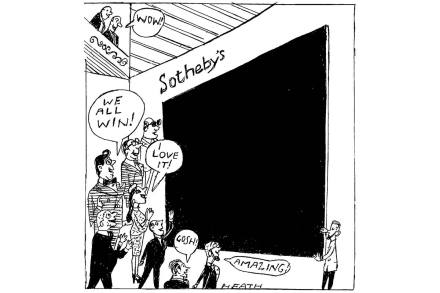
Sotheby’s latest gamble

On February 1, 2024, Sotheby’s auction house announced a new fee structure that came as something of a surprise to the art world. For decades, Sotheby’s and its competitors have been one-upping each other with respect to the fees charged to buyers and sellers. While these fees have unquestionably increased the profitability of the auction houses themselves, in their complexity they have often bewildered auction participants and market observers alike. In theory at least, that may be about to change. Beginning this spring, Sotheby’s new fees will be both lower and potentially easier for all parties to understand. They apply to sellers consigning lots for auction after April 15, and to buyers beginning on May 20.

Sotheby's