Charles Mingus

An unvarnished insight into the mind of Sonny Rollins

In the mid-1950s, alongside his close friend and intimate confidant John Coltrane, the revered saxophonist Sonny Rollins completely revolutionized notions about how the tenor saxophone could function within modern jazz. In landmark albums like Freedom Suite, Way Out West and Tenor Madness, Rollins pushed the art of melodic improvisation to transcendent new heights, his charismatic sound, his snaking melodies and his rhythmic liquidity ringing the changes as surely as Louis Armstrong had done thirty years earlier. And like Louis, and later Miles Davis, there came a point where Rollins wrestled free of the jazz aficionado’s gaze to become admired by a more general audience.

rollins

Charles Mingus at 100

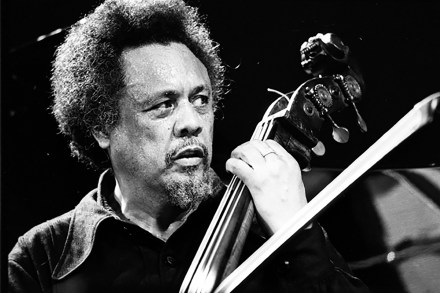
"All the Things You Are” is an essential jazz standard, but in 1960 the bassist Charles Mingus gave it an update: “All the Things You Could Be by Now If Sigmund Freud’s Wife Was Your Mother.” It doesn’t take a psychoanalyst to peek under the hood of this composition. Like many Mingus tunes, the loose adaptation is fairly bipolar, picking up and dropping off in fits and starts, alternating between vacuum-tight swinging sections and meandering, tempo-less squabbles between members of the four-piece band. Mingus isn’t for the faint of heart, but on the centenary of his birth it’s worth confronting his life’s work, which surely places him among America’s most important composers.

Mingus