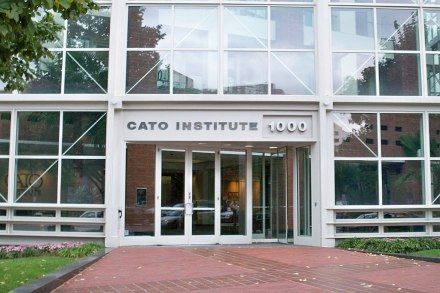
Cato Institute

Trump’s attitude on Executive Orders is nothing new

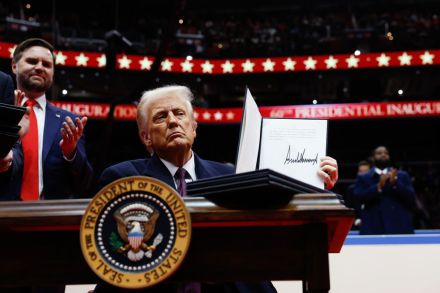
President Donald Trump wasted no time implementing his agenda after taking the oath of office on Monday. He’s issued more than two dozen Executive Orders (and counting), touching everything from immigration to affirmative action to trade. The orders may align with his campaign promises, but underscore a broader trend in American politics: the increasing reliance on executive power over congressional votes. The attitude is far from new. The rise in Executive Orders can be traced back to the beginning of the twentieth century. Theodore Roosevelt issued 1,005 Executive Orders from 1901 to 1909. Woodrow Wilson wrote 1,767 from 1913 to 1921. Herbert Hoover issued 1,003 from 1929 to 1933.
The Cato Institute fails to stand up to cancel culture

The recent controversy over prominent legal commentator Ilya Shapiro's employment at Georgetown University Law Center ended last week. In a Wall Street Journal column on a Friday, Shapiro declared that his cancel culture nightmare was over, vindicated after a four-month investigation into a troublesome tweet. On Monday, the WSJ ran the rare immediate follow-up column, where Shapiro announced his decision to quit the university rather than subject himself to an inevitable future cancelation. Shapiro's experience was astounding in how much it reveals about the insanity of the woke left brigades, and how much their heckler's veto is empowered by the administrators at universities like Georgetown.

Noninterventionists never win arguments

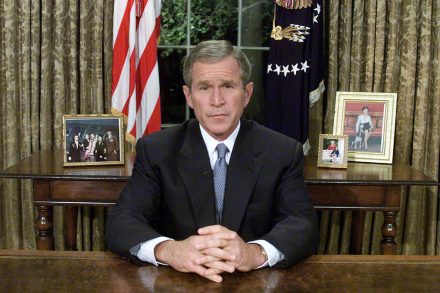
I’ve been thinking about where I was on the eve of the US invasion of Iraq in 2003, and my memories of the event are quite depressing. What have we learned? As a research fellow at the Cato Institute at that time, I was working with other analysts preparing research, authoring commentaries, publishing op-ed articles and giving interviews to the broadcast media, warning about the consequences of the coming American military conquest in the Middle East. It's not polite to toot one’s own horn, but we were right.

terror