Care homes

The NHS has been protected – care homes have not

From our UK edition

As the NHS was preparing for the Covid onslaught, thousands of hospital patients were discharged to care homes in an attempt to free up beds. This worked: about 40,000 NHS beds are now unoccupied, four times the normal amount for this time of year. Attendance at A&E has halved. Almost half of all intensive care beds with mechanical ventilators lie unused. This is before the seven pop-up Nightingale hospitals, most of which are also empty, are factored in. The NHS was effectively protected in this crisis. Care homes were not. While those in hospital were being given the care one would expect from one of the world’s best-resourced health services, most care home residents who fell sick with symptoms of Covid-19 were not even being tested for the disease.
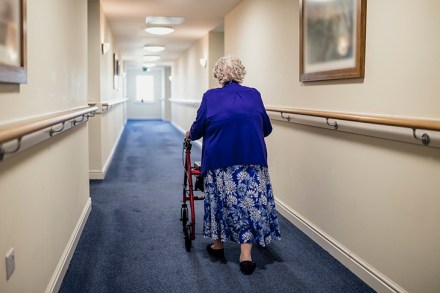
The tragedy waiting to happen in our care homes

From our UK edition

My grandmother, who has suffered from a major stroke, is bed ridden and barely compos mentis. She no longer has the cognitive ability to enjoy the relative intimacy of video calls on WhatsApp from well-wishers, or the simple pleasure of a Skype call with close family and friends. During this period of social distancing, her loneliness – now that visitors are not permitted in the home to prevent infection – is heart-breaking. A comforting hug or kiss on the cheek, in the brief windows when she is awake, is out of the question. Even a carer tucking her in at night could be fatal. Naturally, those with vulnerable relatives like mine – especially over the age of seventy and looked after by the social care system – are more worried than ever.

The truth behind ‘do not resuscitate’ orders

From our UK edition

Coronavirus is revealing many good things about our society: the number of people willing to volunteer to help tackle the outbreak and help the isolated, the number of former doctors and nurses keen to return to the front line, and the number of businesses that have switched to making equipment and protective clothing for those healthcare workers. But it has also revealed our ignorance about many matters that are still important outside of a pandemic. Today's example comes, inevitably, from our general reluctance to think about what old age and end-of-life care look like.