More silent films, less Twitter
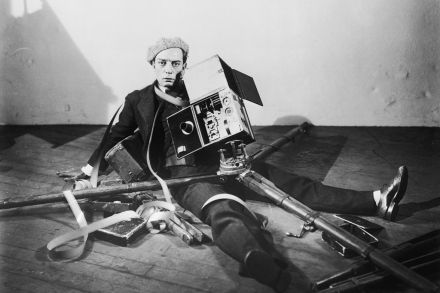
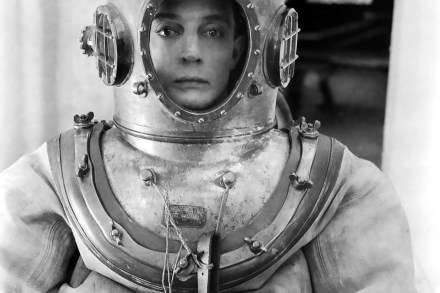
News that billionaire Elon Musk is buying Twitter has shaken the world to the point that left-wingers are threatening to deprive us of their every thought by quitting the platform. My guess is this blustering will take those celebrities about as far away as they went when they pledged to leave the country if Trump was elected president. And though Twitter is likely far from rid of the Jameela Jamils and Chelsea Handlers of the world, even a brief reprieve from the balderdash could do us wonders. Last weekend, I had the privilege of experiencing a one-of-a-kind event at my local theater. “Rick Benjamin’s Paragon Ragtime Orchestra” came to town and performed the original musical score to Buster Keaton’s Steamboat Bill, Jr., a 1928 silent film.