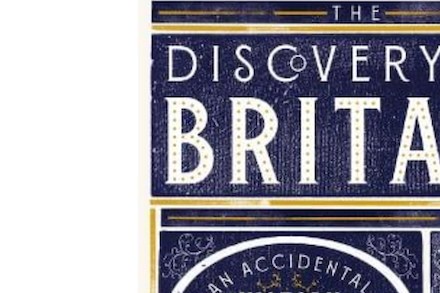
The banality of Hélène von Bismarck’s view of Britain is astounding
From our UK edition
Hélène von Bismarck twice quotes (in an officiously corrected version) Robert Burns’s lines: ‘O wad some Pow’r the giftie gie us/To see oursels as ithers see us!’ She is congratulating herself on assuming this role in writing a book about Britain as a German. There is no doubt that out of a mixture of self-regard, curiosity about other people’s points of view and the occasional outburst of ribald mockery, the British have long enjoyed accounts of themselves by visitors. Whether these narratives possess any accuracy or unusual perception is another question, but there seems no doubt that a British audience exists even for ones of the utmost mediocrity and banality.