British Columbia

Canada can do more to address the fentanyl crisis

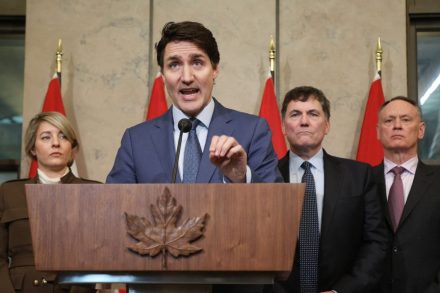
It was a field day for the Canadian freight industry on Monday. Every truck in the country, stuffed to the gills with product, was racing the clock to the border. The few drivers still available commanded ridiculous prices — up to $12,000 higher than normal. At the stroke of midnight, the 25 percent blanket tariff kicked in. Trucks that had yet to make it across the border hit the brakes and turned around. The party was over; the coaches became pumpkins again, it was time for Cinderella to go home. The whole week before, business owners, brokers and shippers were asking each other: "Have you seen anything official on this? Anything from the Canadian government?" They hadn't.

fentanyl canada

The lack of Indigenous mass graves in Canada

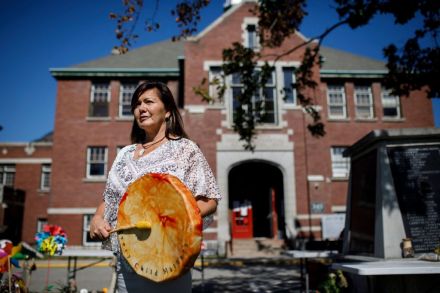
In May 2021, the Canadian Broadcasting Corporation reported that the remains of 215 children had been found buried at the former Kamloops Indian Residential School in British Columbia. The Tk'emlúps te Secwépemc First Nation band had confirmed the story, they claimed, quoting Chief Rosanne Casimir. “To our knowledge, these missing children are undocumented deaths,” she said. “Some were as young as three years old. We sought out a way to confirm that knowing out of deepest respect and love for those lost children and their families, understanding that Tk'emlúps te Secwépemc is the final resting place of these children.”  The outcry was enormous.

kamloops mass graves

Decriminalizing fentanyl is a dangerous experiment

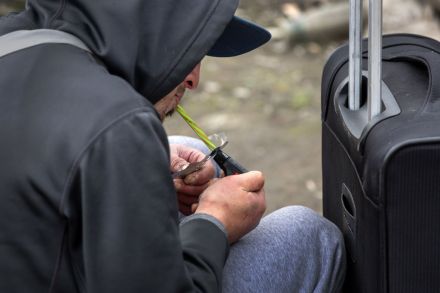
Last week, British Columbia became the first province in Canada and the second jurisdiction in North America to decriminalize the possession of small amounts of hard drugs for personal use. Those drugs include heroin, cocaine, methamphetamine, and even fentanyl, a synthetic opioid more than 50 times more powerful than heroin. British Columbia follows Oregon, which decriminalized all drugs in 2020, taking a more proactive — if controversial — approach to address the alarming number of overdose deaths across the region. Under the state's new guidelines, adults 18 years and older caught with less than 2.5 grams of an illicit substance will not be arrested or charged with a criminal offense.