Bridgerton

The puerile fantasy of Bridgerton Britain

From our UK edition

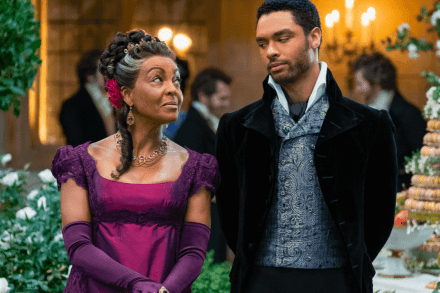
There is something inherently embarrassing about watching Bridgerton in Britain. It is so palpably, monstrously, uninhibitedly woke; an American fever dream of England in which an all-English (and the odd Australian) cast cavort as members of the ‘ton’ for money they’d probably never get from the BBC. In front of the great Bridgerton mood board scrawled with such words as ‘Downton Abbey’, ‘Jane Austen’, ‘Upstairs Downstairs’ and – of course – the most Shondaland touch of all, ‘Diversity!’, the likes of Adjoa Andoh and Lorraine Ashbourne do their thing while (one imagines) the suits at Shondaland clap with pleasure. Shondaland is the woman (Shonda Rhimes) and production company behind Netflix’s adaptation of the Julia Quinn novels.

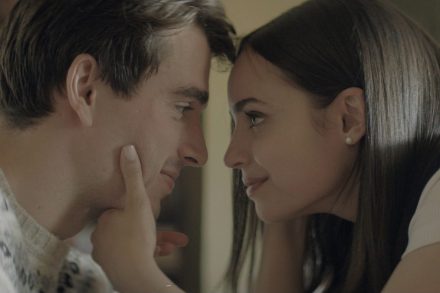
The wildly misguided My Oxford Year

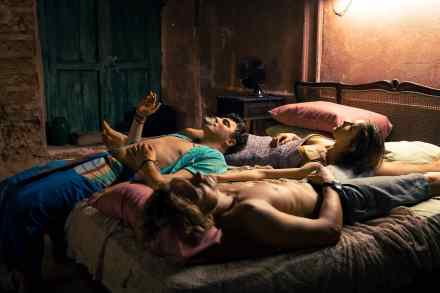
When I studied English literature at Oxford about two decades ago, the issue of tutor-student relations was a vexed one. On the one hand – so the reasoning went – students were adults, over the age of consent and entitled to make their own decision as to whether they wanted to indulge in sexual congress with the men and women responsible for inculcating a knowledge and, hopefully, love of their subject into them. On the other, there were clear – although sometimes blurred – conflicts of interest relating to these invariably older figures also on occasion being responsible for marking their favored students’ examinations.

my oxford year

The latest Jane Austen adaptation is dreadful

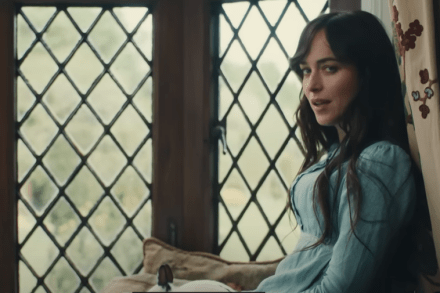
Full marks to whoever tweeted, after watching the trailer for the dire new version of Jane Austen’s Persuasion, that, "I’m sorry but Dakota Johnson has the face of someone who knows what an iPhone is." In that pithy phrase, the failings of Carrie Cracknell’s film are laid bare immediately. Johnson, despite the utter dreadfulness of the Fifty Shades films that launched her to fame, is a talented and likable actress, but she is also contemporary in a way that many of her peers are. You can dress her in all the crinolines and bonnets and Regency finery in the world, but she still looks like a California resident from 2022 cosplaying, rather than an inhabitant of early nineteenth-century Britain. But Johnson is not the only problem with Persuasion.

The Bridgerton effect: a guide to buying Georgian homes

From our UK edition

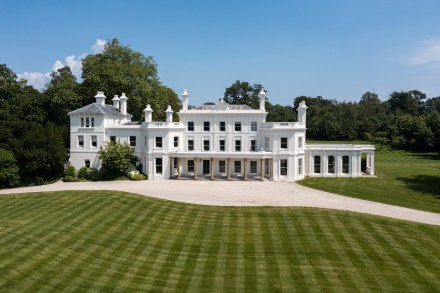
With its high society intrigue, gossipy plotlines, raunchy love scenes and gravity defying hair do’s, all set against the backdrop of spectacularly sumptuous homes, Netflix series Bridgerton has rewritten the rules for small-screen period drama. The Shonda Rhimes exec-produced series gained 193 million hours of viewing time for its second series in the first three days – the highest for any English-language Netflix series in this time frame. Whether you love it or hate it – or love to hate it – its impact is undeniable, offering an irresistible twist on classic 19th-century tales of the upper classes, imbued with a modern sensibility.

If you want to avoid intrusive anachronisms on TV, you have to go foreign

From our UK edition

The iron law of TV these days is that if you want to avoid series that are suffocatingly right-on the only way to go is foreign. Any TV emanating from the Anglosphere is guaranteed to be chock-full of intrusive anachronisms. Bridgerton,which reinvents Regency England as a melting pot of diversity, is an extreme example of this, but even previously immune series have been infected. Season five of The Last Kingdom now has a resident black monk, whose ethnicity no one notices, though such a phenomenon, you might think, would have been considered quite remarkable in 10th-century Wessex. Vikings, too, I gather, has allowed its shield wall to collapse and has been overrun by the forces of skinny soy latte.

The Gilded Age is a Bridgerton-esque disappointment

I am on record as being somewhere between weary and terrified of the threatened arrival of Downton Abbey 2 in our movie theaters imminently. But this is also tinged with sadness. When Julian Fellowes emerged with his screenplay for Robert Altman’s Gosford Park in 2001, it fizzed with wit and imagination. Now, he has seemingly become the go-to chronicler of English upper-class life, churning out increasingly nonsensical variants on the same story with greatly diminishing returns. So how does he fare when he turns his attention to American upper-class life? The new HBO series The Gilded Age attempts to answer this question. It primarily concerns two New York figures in the 1880s, who are schematically represented as "snobbish Old Money" and "arriviste New Money.

Most-read 2021: The Netflix generation has lost its grip on history

From our UK edition

We're closing the year by republishing our ten most popular articles in 2021. Here's number four: Zoe Strimpel writing in February about how popular portrayals of the past are being changed to fit the present.  The first thing you notice about Bridgerton, Netflix’s big winter blockbuster set in Regency England, is how bad it is: an expensive assemblage of clichés that smacks of the American’s-eye view of Britain’s aristocratic past. The dialogue is execrable, the ladies’ pouts infuriating. But bad things can be good, especially when it comes to sexy period romps. Bridgerton is no different. The story follows the elder children of the Bridgerton family as they look for love in a utopian sprawl of courtly landscape and sociality.

A double-standard in colorblind casting

When it comes to who can play what in movies and on TV, producers have been quick to apply a double standard. It is deemed progressive and interesting for black and brown actors to play white characters but inappropriate and offensive the other way round. Colorblind casting only applies to people of color, which somewhat defies the point. After more than 30 years playing African American cartoon character Dr Julius Hibbert, actor Harry Shearer has become the latest victim of a campaign to un-whiten the entertainment industry.

colorblind casting

The Netflix generation has lost its grip on history

From our UK edition

The first thing you notice about Bridgerton, Netflix’s big winter blockbuster set in Regency England, is how bad it is: an expensive assemblage of clichés that smacks of the American’s-eye view of Britain’s aristocratic past. The dialogue is execrable, the ladies’ pouts infuriating. But bad things can be good, especially when it comes to sexy period romps. Bridgerton is no different. The story follows the elder children of the Bridgerton family as they look for love in a utopian sprawl of courtly landscape and sociality.