Book review - music

How music can be weaponized

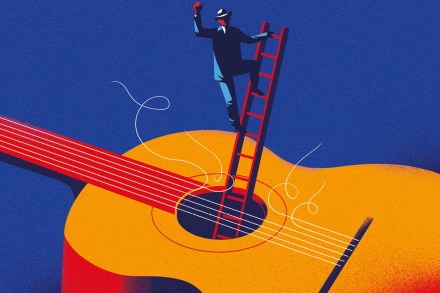
A noise booms from a downtown district of Kyiv. It’s not the screech of a piercing siren or a building collapsing into rubble but the pumping beat of electronica. Throughout the deafening clamor of the Russia-Ukraine war, Gasoline Radio has kept broadcasting, mixing contemporary electronic music with traditional folk to fortify Ukrainian national identity. Whether pumped out by electronica DJs, violinists playing for families in shelters or singers performing in the shelled-out carcasses of cities, all is far from quiet on the cultural front of Ukraine. Wherever there is oppression, there is resistance, and music has long been a weapon for these war-weary civilians.
Rebel

In 1968, even Boston was ankle-deep in LSD

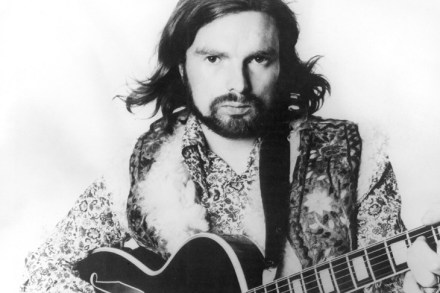
‘And this is good old Boston/, The home of the bean and the cod,’ John Collins Bossidy quipped in 1910, ‘Where the Lowells talk to the Cabots/, And the Cabots talk only to God.’ Also home, in 1968, to Mel Lyman, a folk musician turned LSD guru who believed he was God, and to Van Morrison. The music business abounds with stories about Morrison being grumpy. In my experience, he’s perfectly reasonable. You’d be grumpy if your job obliged you to consort with thieves, liars and drummers who can’t keep time. You’d be especially irritated by people asking how you wrote Astral Weeks. Sensibly, Morrison explains that Astral Weeks was written by a different person living, as its title song says, ‘In another time/ In another place.