Book review - literary history

The translator and spy: two sides of the same coin

Translators are like bumblebees. In 1934, the French entomologist August Magnan pronounced the flight of the bumblebee to be aerodynamically impossible, and though long since scientifically disproved, this factoid is still routinely trotted out. Similar pronouncements about the impossibility of translation have dogged practitioners since Leonardo Bruni’s De interpretatione recta, published in 1424. Meanwhile, bees, unaware of these deliberations, have continued to flit from flower to flower, and translators continue to translate.
smoking

How do we envisage Shakespeare’s wife?

Despite his having one of the most famous names in the world, we know maddeningly little about William Shakespeare. His private life was lost in the swirling debris of the early modern world. Buildings such as the Globe or New Place (the house he retired to in Stratford) were demolished in the centuries after his death. Not a single letter survives, no first drafts of the plays have surfaced and it is disputed whether his portraits even look like him. Scholars are forced to find other ways of peering into his soul. Some look to the plays and sonnets, boldly presenting fictional and contradictory poetry as concrete evidence. Others examine the objects he may have owned, but the results are hardly the stuff dreams are made on.

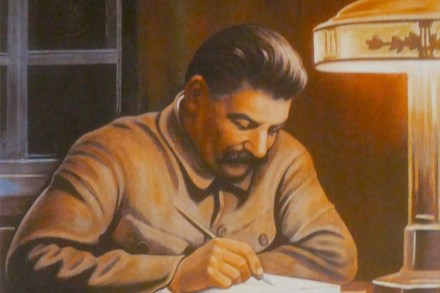
From Stalin’s poetry to Saddam’s romances: the terrible prose of tyrants

‘Reading makes the world better. It is how humans merge. How minds connect… Reading is love in action.’ Those are the words of the bestselling author Matt Haig and though I wouldn’t put it quite like that, I too feel that there is something inherently good about reading. Daniel Kalder has no such illusions. His latest book Dictator Literature (published in the US as The Infernal Library) looks at the dark side of the written word. It’s a study of what the great and not so great dictators of modern times read and wrote. In lesser hands this would be a romp (romp isn’t quite the right word, is it?) through Mein Kampf, Lenin’s What is to be Done? and Mao’s Little Red Book, but Kalder is nothing if not thorough.