How the Blue Dogs have evolved
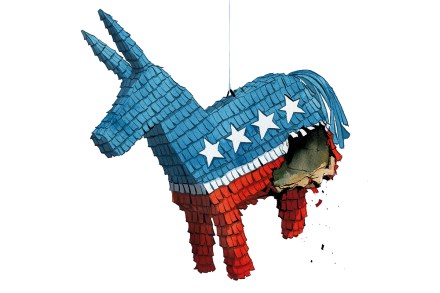
In every iteration of the American National Election Studies since 1952, respondents have been asked to name their biggest “like” and “dislike” when it comes to the two main parties. From 1952 to 2004, voters’ biggest “like” about the Democratic party was that it was the “party of the working class,” whereas the biggest “dislike” that voters had of the Republican party was that it was the “party of big business and the upper class.” Today, the parties’ reputations have shifted dramatically, mirroring the changing composition of their electorates. In the 1990s, nearly 60 percent of Democratic voters were white and didn’t have college degrees. For the 2020s, that proportion has fallen to 25 percent.