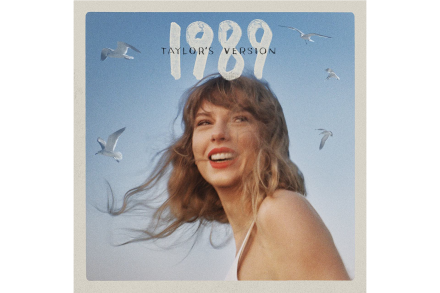
The case against re-recording albums
From our UK edition
In 2012, Jeff Lynne released Mr Blue Sky: The Very Best of Electric Light Orchestra. Except it wasn’t. It was 11 new re-recordings of classic ELO songs – which isn’t the same thing at all. Lynne, bless him, believed that having gained more experience as a producer, he could now improve the songs that made him famous. ‘You know how to make it sound better than it did before,’ he said, ‘Because I have more knowledge… and technology.’ Sheesh. How wrong can one man be? Pop music is all about the definitivearticle. Not only the bold prefix attached to its greatest practitioners – Beatles, Byrds, Wailers, Temptations, Fall, et al – but the notion of a defining recording of a song. The stage is the place for revision: to jam, change the words, the rhythm, the feel.