Black History Month

When victimhood is a game, everyone loses

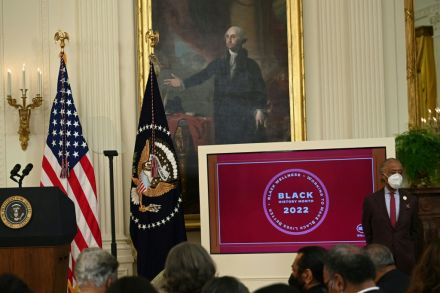
Black History Month is now over, and we’ve moved on to Women’s History Month. In April, we’ll get the best of both worlds, with Black Women’s History Month. May will be Jewish-American Heritage Month, and then in June the nation will enjoy a blowout celebration of LGBT Pride Month, if the normalization (and commercialization) of the cause in recent years is any indication. The point of all of this is to serve as an annual national re-ratification of diversity, inclusivity and equity as America’s preeminent causes (and doctrines, as Spectator World editor Matt Purple has so perceptively assessed).
Black History Month and the usable past

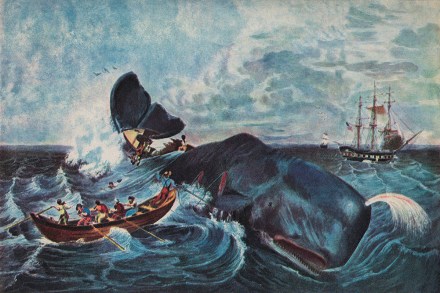
This is Black History Month when we are invited to think through a certain spectrum of the people who came before us. As it happens, I am very much interested in black history. I wrote a book about it, 1620: A Critical Response to the 1619 Project, and several books about diversity, and I have been working for several years on a nearly completed documentary about the early days of black theater and film. But, lacking any black ancestors, I must make do with my own sketchy line of progenitors. When I was growing up in the Fifties and Sixties, my father attempted to find his great-grandfather — GGF in anthropological parlance. GGF had an air of mystery since all anyone knew about him was his last name and GGM’s inveterate reply when asked about him: “He was lost at sea.

black history month

‘Literary Blackface’ is woke as hell

In order to cash in on celebrate Black History Month, Penguin Random House and Barnes & Noble planned a collaboration to achieve an amazing feat of wokeness. They were set to perform what I like to term as ‘positive blackface’ on a number of literary classics in order to show their support of diversity. Very much in the spirit of Justin Trudeau, they redesigned the covers of classic novels such as The Secret Garden and The Wonderful Wizard of Oz so that the main characters are more representative of ethnic minorities. Now, the more cynically-minded among those less in tune with what people of color want might see this promotion as a horrendously clumsy and lazy attempt at earning virtue points. Well, to that I say a resounding, ‘NO!’.

literary blackface