Biodiversity

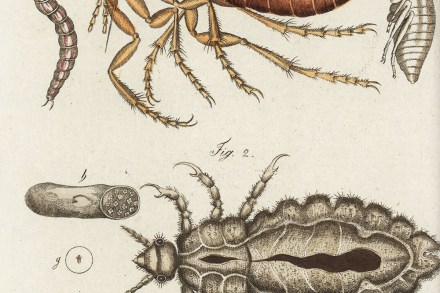
Weeds, bugs and lichens must now thrill the imagination

From our UK edition

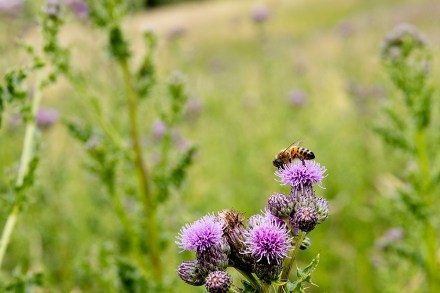
In the summer of 1992, the Times sent me to Orkney to interview the poet George Mackay Brown. He was notoriously wary of media interest – perhaps the only author ever to have asked his doctor for anti-depressants when shortlisted for the Booker prize – and I could hardly get a word out of him. His council flat didn’t yield much either: a sofa, a table – a Formica surface which Brown cleared of crumbs after breakfast and then wrote on till lunchtime. But behind his rocking chair, a huge banner, embroidered in bright wools, blazed out across an otherwise monochrome room: O let them be left, wildness and wet Long live the weeds and the wilderness yet.

The Coromandel coast under threat

From our UK edition

This is a remarkable book by a remarkable man. Based on the Coromandel coast at Chennai in south-eastern India, Yuvan Aves is an active naturalist and an ardent activist. Still in his twenties, he teaches outdoor classes, he campaigns and he notes down the movements and habits of invertebrates, birds and fauna in his local wetlands and littoral. All his observations and the wider thoughts on ecology that make up Intertidal are given added heft and poignancy by the searing account of his childhood which begins the book. His father was a philandering no-hoper whom his mother left for another man. That man was even worse. He took against the young Aves and subjected him to regular beatings, forcing him to scrape the blood from the walls when visitors were coming.

The traditional British hedge is fast vanishing

From our UK edition

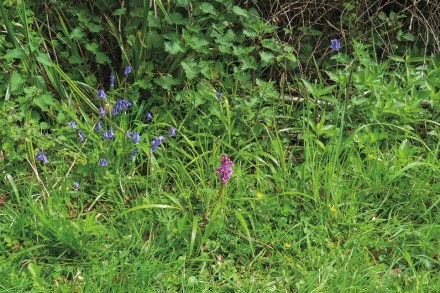
Five years ago, a documentary about the Duchy of Cornwall featured the then Prince of Wales in tweeds and jaunty red gauntlets laying a hawthorn hedge. It was a brilliant piece of PR. If Charles was a safe pair of hands with a hedge – something as quintessentially English as a hay meadow or a millpond – he was surely a safe pair of hands full stop. A cuckoo in one breeding season needs to eat about 22,500 hairy caterpillars Focusing on a hedge in south-west Wiltshire, Hedgelands combines history, celebration, lament and warning. Christopher Hart is a companionable writer, and makes a powerful case that, at a time of ecological hazard, well-nurtured hedges can play an astonishing role in buttressing the future. First, though, the past.

The best of this year’s gardening books

From our UK edition

What makes a garden is an increasingly pressing question, in the light of what Jinny Blom, in her witty and wise What Makes a Garden: A Considered Approach to Garden Design (Frances Lincoln, £35), calls ‘hairshirt hubris’. By that she means the refusal of some gardeners to call any native plant a weed or any slug or aphid a pest. She wishes to inject a little sense into what has become an ill-tempered dialogue between ‘traditional gardeners’ and the self-deniers who cannot see gardens as anything but parcels of sacrosanct earth, in which any major intervention by a human is to be regretted. But to Blom, garden-making is one antidote to the modern curse of solipsism. ‘Gardens insist we care for them as much, or more, than ourselves.

Eager for beavers: the case for their reintroduction

From our UK edition

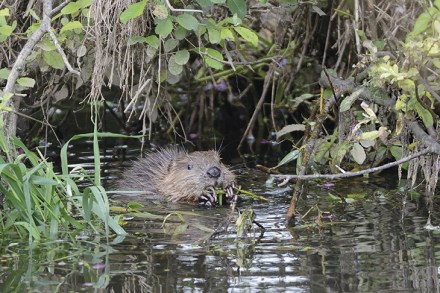
Conservationists are frequently criticised for focusing on glamorous species at the expense of others equally important but unluckily uglier — pandas rather than pangolins, birds rather than bats, and monkeys rather than mole-rats. Europe’s frankly lumpy largest rodent, the European beaver, Castor fiber, is therefore fortunate to have found an ardent advocate in Derek Gow. Beavers have always attracted attention, generally of the wrong kind. Not only do they have lustrous pelts, and flesh edible even in times of fasting (because conveniently classified as ‘fish’) but castoreum, exuded from sacs near their anal glands, which they use to scent mark territory, was thought to have medico-mystical properties.